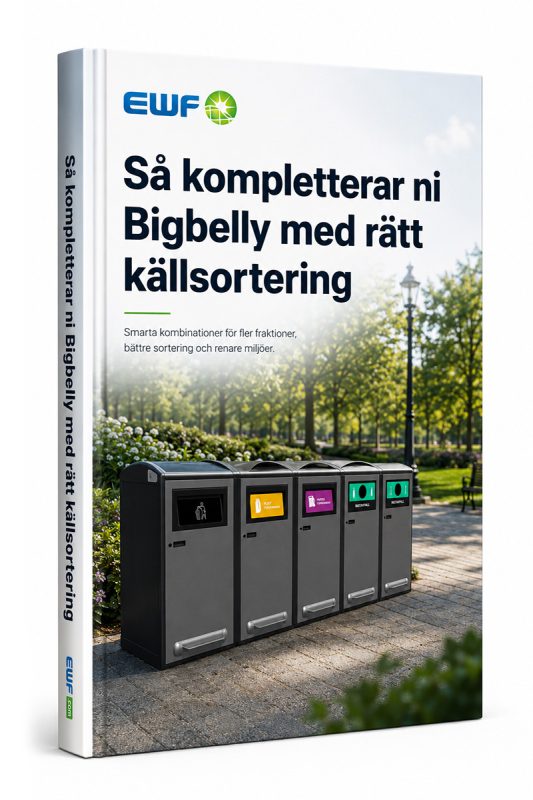
With smart accessories like bottle return racks and cigarette butt dispensers, we can encourage proper behavior and create better conditions for ensuring that trash ends up where it belongs, so our shared spaces remain clean and inviting.
With spring just around the corner, it’s time to start thinking about how we can make our surroundings cleaner and more pleasant. As more people spend time outdoors, the strain on public spaces increases, and there is a greater need for solutions that keep things clean and make it easy to do the right thing.

Panthylla – Reduce littering and increase recycling
During the summer months, beverage consumption increases in parks, along walking paths, at swimming areas, and in other public places. Today, nearly nine out of ten cans and PET bottles are recycled, but some of the deposit money is still lost when these items are mixed with general waste and sent to incineration.
Installing recycling bins at the waste collection station creates a designated spot for cans and PET bottles.
The purpose of the deposit return bins is to encourage more people to return their bottles there instead of throwing them away. It’s an easy way for residents to pass them on, while also helping to increase recycling and keep the city cleaner. Win–win–win!
For businesses and municipalities, this means:
- reduced misclassification
- cleaner and better-maintained places
- practical efforts to promote circular flows are being strengthened
Beverage dispensers are particularly well-suited for locations with high foot traffic where on-the-go consumption is common, such as city parks, school grounds, town squares, along central pedestrian walkways, and near public transportation stops.
Deposit bags make it easier to separate returnable containers from general waste, reduce littering, and increase the likelihood that more cans and bottles will actually be returned to the recycling stream.
Tip! If you have recycling bins but don’t have a separate compartment for deposit bottles, bottle racks can be a simple addition to your existing setup.

Cigarette butts make up the largest share of litter
In Keep Sweden Tidy’s latest national litter survey, cigarette butts accounted for 48 percent of all litter collected in cities. The goal is to reduce outdoor cigarette butt litter by half by 2030 compared to 2023, and manufacturers of certain tobacco products and filters are required to help achieve this goal.
SUP Filter is the tobacco industry’s producer responsibility organization for cigarette butts. Through agreements with SUP Filter, municipalities can receive compensation for placing receptacles, collecting, emptying, and managing cigarette butts in public areas.
The cigarette butt collector for efficient collection
SVT reports that the City of Landskrona collected 800 cigarette butts in four weeks from the cigarette butt dispensers it has installed.
The cigarette butt dispenser is designed to influence behavior through nudging.
Smokers cast their votes with their cigarette butts by selecting an answer option and dropping the butt into the corresponding bin. The questions can be humorous, topical, or provocative, depending on what is deemed effective for the intended target audience.
This approach—changing behavior through small nudges in the right direction—has been proven effective. Where cigarette butt receptacles are installed, cigarette butts can be reduced by as much as 71%.
By increasing visibility, engaging passersby, and making cigarette disposal an active choice, it can help ensure that more cigarette butts end up in the right place instead of on the ground.
The cigarette butt disposal bin helps reduce the number of cigarette butts on the ground, while the recycling bin makes it easier to keep cans and PET bottles separate from other waste. Together, they contribute to cleaner, more pleasant, and better-functioning public spaces.
By equipping our outdoor spaces with solutions such as cigarette butt dispensers and recycling bins, it becomes easier to keep them clean, conserve resources, and create environments that work better for everyone who spends time there.
We are convinced that small, simple changes make a big difference in public spaces.