Smart Waste Management in Areas with Variable Load
Beaches and recreational areas face a particular challenge: the amount of waste can change rapidly depending on the weather, season, weekends, and events. When bins become full, litter risks ending up on the ground, being blown into the natural environment, or causing problems for both visitors and maintenance staff.
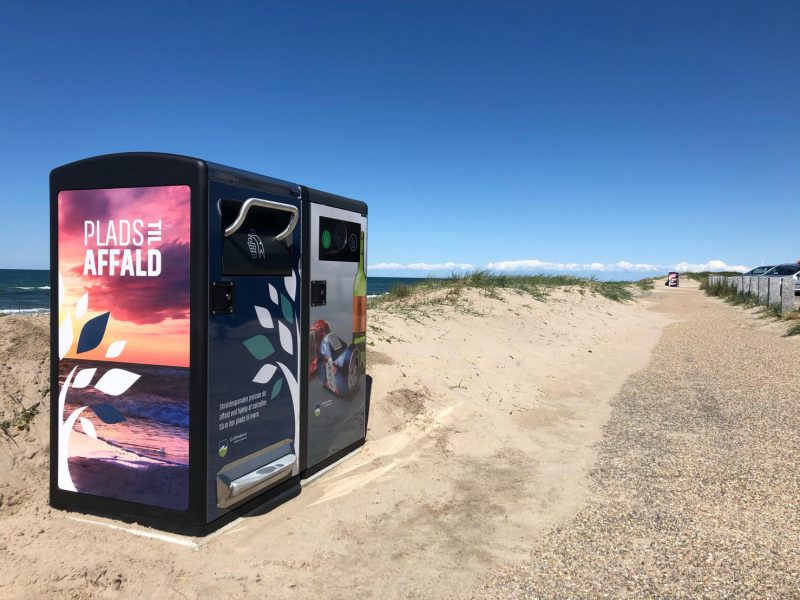
In Gribskov, Bigbelly has Bigbelly to improve waste management at a popular beach area ahead of the summer. According to previous project documentation, 27 existing 100-liter trash cans were replaced with Bigbelly consisting of sorting stations and higher-capacity waste bins. The new solution is reported to have provided a capacity of 7,030 liters, compared to the previous 2,700 liters.
Bigbelly Tisvildeleje Beach and the pier
In the next phase, Bigbelly units were installed Bigbelly Tisvildeleje Beach and the pier. According to the project documentation, the project included 30 units placed along the beach promenade, divided between single-compartment bins for mixed waste and sorting bins for recyclables.
This makes Gribskov a good example of how smart waste management can be adapted to environments where capacity, sorting, and the visitor experience all play a role. Here, Bigbelly just about collecting trash—it’s about making it easier for visitors to do the right thing and simpler for the municipality to identify where action is needed.
More Clear Waste Sorting in Public Spaces
An important aspect of the Gribskov case is visual waste sorting. The background material specifically highlights the design and visual approach to waste sorting as a central part of the initiative.
That’s a strong selling point: on a beach, the sorting system needs to be easy to understand right away. Visitors shouldn’t have to think twice. The right bins, clear placement, and recognizable design make waste management a natural part of the space.
Communication and Engagement with Local Schools
Gribskov also used the project to raise awareness about litter in public spaces. The older documentation mentions that the municipality, in collaboration with local schools, worked to promote interactivity and awareness through a scavenger hunt.
This makes the case more interesting than a typical installation case. It shows how Bigbelly be linked to behavior, education, and community engagement—especially in settings frequented by families with children, beachgoers, and tourists.
A Beach Case Study on Capacity, Waste Sorting, and Summer Preparedness
Gribskov demonstrates how municipalities can take a more strategic approach to waste management in environments with seasonal peaks in activity. As summer approaches, beach areas need to be prepared for more visitors, more waste, and higher standards of cleanliness.
With Bigbelly , the municipality Bigbelly a solution that can help increase capacity, improve sorting, and provide a better digital overview of fill levels and emptying needs. For locations like Tisvildeleje Beach, it’s about more than just operations—it’s also about preserving the site’s experience, natural value, and appeal.