
+46104952495
From robust, enclosed stations to solar-powered compaction and fill data.
We help you choose the right solution for every location and waste stream.


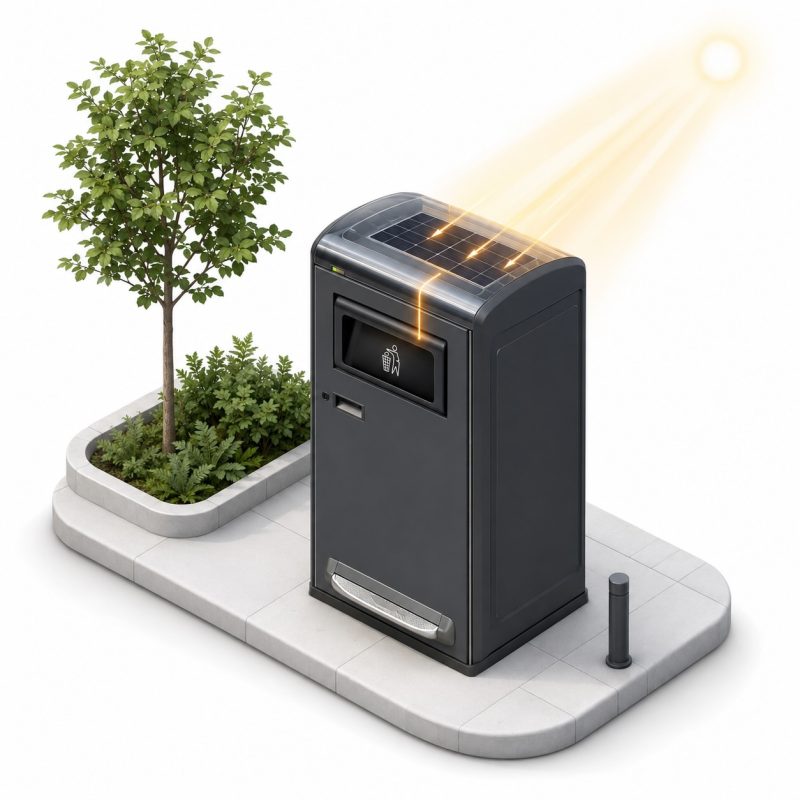
Bigbelly includes waste collection stations with varying capacities and functions. Connected models report fill levels and system status to CLEAN, while models with compaction provide more space for waste.
EWF helps you tailor the stations to the specific needs of your site and use the information in your day-to-day operations. You’ll receive support from site selection and installation through training, service, and follow-up.
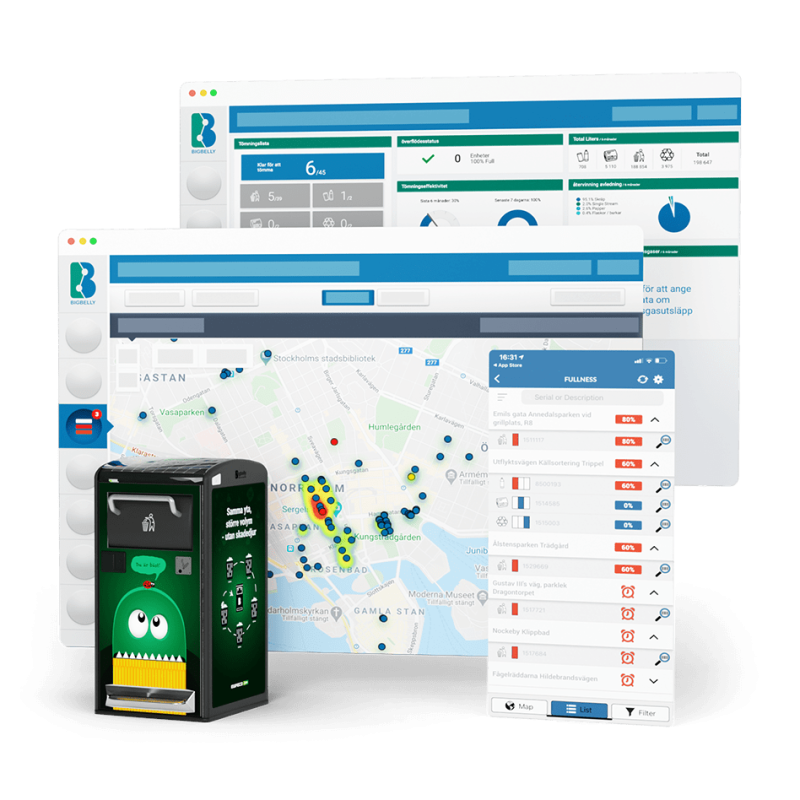
With CLEAN , operations staff get a comprehensive overview of the fill level and system status for connected Bigbelly stations. This information helps you plan emptying schedules and identify locations that consistently require more attention.
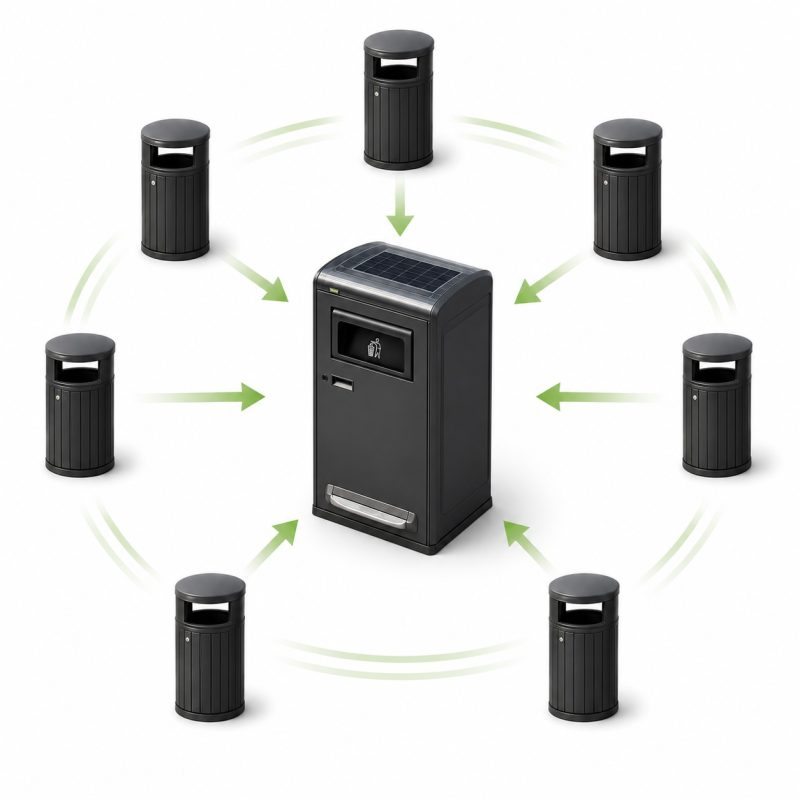
In high-traffic entrances, walkways, and park areas, trash cans can fill up quickly. Bigbelly Smart Max compacts the waste inside the station, increasing the amount it can hold between emptying.
This can reduce the need for additional emptying and extra trash cans. The capacity must be determined based on the type of waste, the volume of waste, and how the location is used.
Visitor traffic, waste type, and emptying options all influence which solution is best suited. We’ll help you assess the needs at each location.
Choose compression for high loads, connectivity for a better overview, and simpler stations where the basic functionality is sufficient.
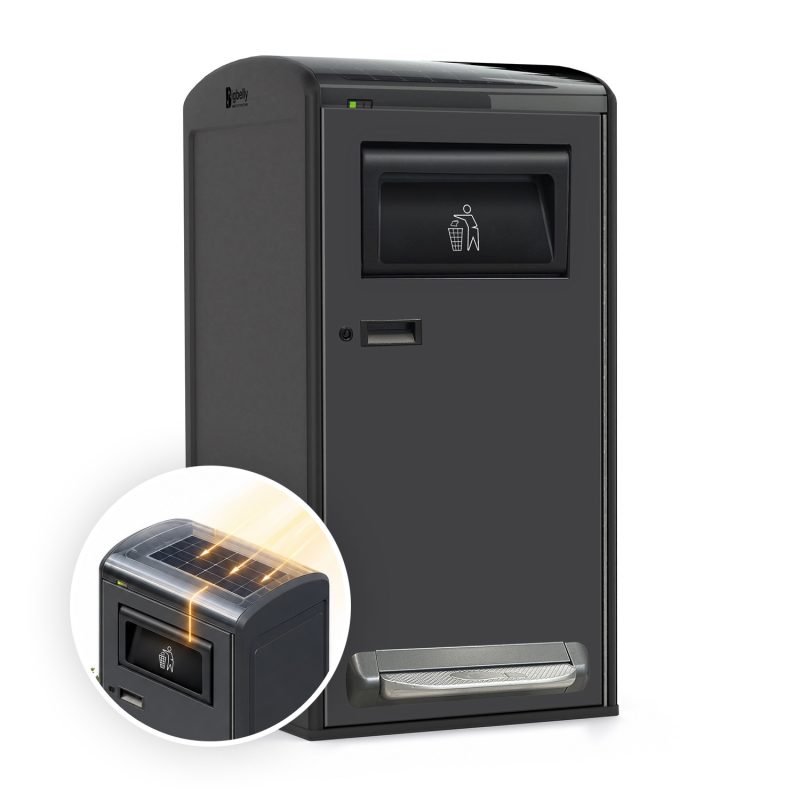


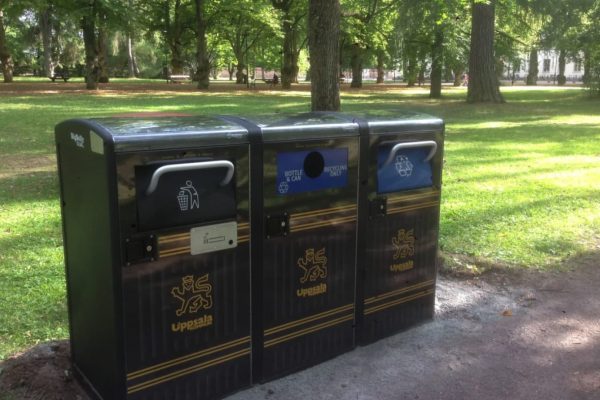
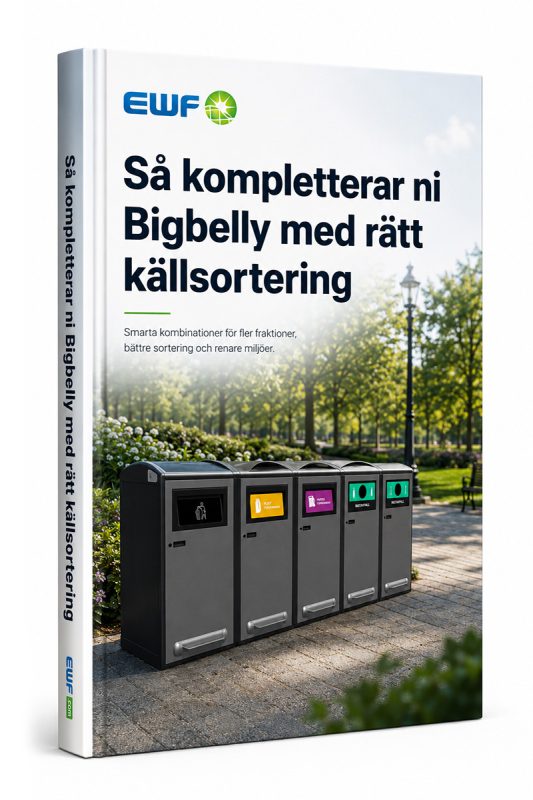
Combine “ Bigbelly ” units into a single station for the waste categories you need to collect. The waste openings, labeling, and capacity are tailored to the visitors, the waste, and how the station is emptied.
Clear symbols and thoughtful placement help users sort items correctly. On connected models, fill level data indicates when each unit needs to be emptied.
Learn about our customers’ experiences with capacity, waste collection, and recycling. In each case study, you can read about the circumstances, implementation, and reported results.
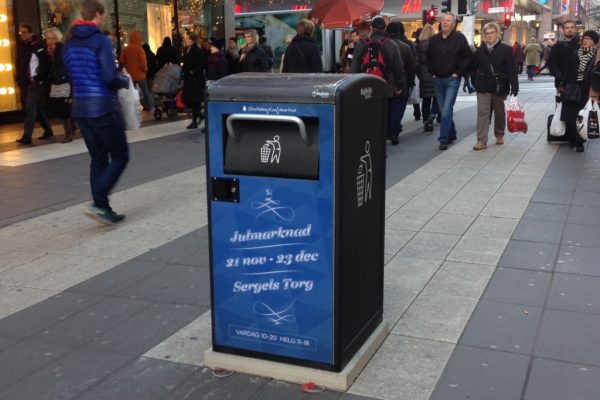




The potential reduction depends on the amount and type of waste, the model, and how emptying is currently handled. The compaction feature in the Bigbelly Smart Max increases capacity, while fill-level data helps operations staff prioritize emptying based on need. To assess the impact at your facility, emptying frequency, working hours, and service requirements must be compared before and after implementation under comparable conditions.
Connected Bigbelly models report fill levels and system status to the CLEAN operations platform. There, staff get a comprehensive overview and can use the information to prioritize emptying and follow-up. Historical data also helps the business identify recurring loads and review placement or capacity. Bigbelly Element does not have digital fill-level monitoring. Learn more about CLEAN and operational data.
Bigbelly can be used in Nordic winter conditions, but solar-powered stations must be selected and located based on available sunlight and load requirements. Batteries and energy management support operation during periods of limited solar energy. Shading, snow, and the need for compaction must be factored into the assessment. EWF can help you evaluate the conditions at the specific site.
Bigbelly Smart Max can be powered by solar energy outdoors without a permanent electrical connection. The need for site preparation depends on the surface and how the station is to be anchored, as specified in the installation instructions. The location must also allow for use, emptying, and servicing. For indoor environments, a power adapter is available as an optional accessory for Smart Max.
Yes, multiple “ Bigbelly ” units can be combined into a single station for different waste fractions. The waste inlets, labeling, and model selection are tailored to the type of waste to be collected and how it is picked up. Compaction is selected for fractions where it is appropriate. Fill level monitoring is available on connected models. Clear signage and thoughtful placement help visitors sort their waste correctly.
Bigbelly-Models with enclosed openings restrict access to the waste and help keep litter inside the station. This can reduce problems with birds, rats, and wind-blown litter. The effectiveness also depends on the stations being used, emptied, and maintained properly. Litter left next to the stations still needs to be cleaned up.
The total cost for Bigbelly includes stations, installation, any subscriptions, service, emptying, and consumables. EWF Eco offers both purchase and rental options. What is included and the applicable terms and conditions are specified in the quote.
We’ll help you compare the proposed plan with current operations over the same time period. Potential reductions in working hours are reported separately from expenses that can actually be reduced, such as materials, transportation, or external services.
Learn more about EWF’s services and business plans.
Bigbelly Requires ongoing inspection, cleaning, and maintenance tailored to the model, usage, and environment. EWF Eco offers installation, support, preventive maintenance, troubleshooting, and repairs. The scope, division of responsibilities, and any service intervals should be specified in the chosen service plan. Training for operating personnel helps the business establish effective procedures for emptying and maintenance.
Yes, EWF Eco can help you plan a pilot project at selected locations. Before the project begins, we’ll agree on which issues to investigate, how to document the current situation, and which results to track. These might include, for example, trash collection, working hours, littering, and the user experience. The scope, test period, and terms will be determined before the project begins.
Compare capacity for your waste, loading points and accessibility, collection operations, power supply, operational data, service, and total cost. Check which model and conditions apply to each item. Also request relevant references and clear contract terms. A demonstration or pilot project makes it easier to assess how the solution works with your staff and at your locations.
We’ll go over load capacity, emptying procedures, and which locations require extra attention. Based on your current situation, we’ll help you evaluate model selection, placement, and the cost structure for purchasing or renting.
If necessary, we will plan a pilot project with clear goals and follow-up. You will also receive a proposal for support with installation, training, and service.
Let's work together!
Customer service: +46 (0)10-495 24 95
Head office: Vallbyvägen 22, 76251 Rimbo, Sweden
Mon-Fri: 07:30-16:30