
Are you planning to charge electric bikes? When there isn't a designated spot for charging and storage, it's hard to keep track of where the batteries are.
An electric bike without a battery parked outside the building could be a clue that the battery was brought inside.
Since a fire in an electric bicycle battery can occur both during charging and storage, this issue concerns the building’s fire safety and, in a workplace, also occupational safety.
When planning charging infrastructure for electric bicycles, you therefore need to review how charging works today, where it will take place in the future, and who is responsible for ensuring that the charging station functions properly on a day-to-day basis.
Why Electric Bike Batteries Need to Be Managed
Lithium-ion batteries store a great deal of energy in a compact size and are designed to operate safely under normal use.
Damage, improper charging, or high temperatures can affect the battery’s cells. If a cell generates more heat than it can dissipate, a chain reaction can occur and spread to other cells. This is called a thermal runaway.
Therefore, both the charging and storage of electric bike batteries need to be taken into account when reviewing a property’s fire safety measures and as part of workplace safety.
1. Start by assessing your needs when planning for electric bike charging
To plan charging infrastructure for electric bicycles, you first need to know where the bicycles are parked and where the batteries are currently charged and stored.
At a workplace, several bicycles may be parked all day. At a visitor site, the same charging station may be used by several people throughout the day as visitors come and go.
- Where are the bicycles parked, and where are the batteries charged and stored?
- Who needs to charge their devices, and how long do they usually stay?
- How many people might need to charge their devices at the same time?
Suggestion for your next step:
Map out where e-bike batteries are currently charged and estimate how many people need to be able to charge them at the same time.
2. Clarify who is responsible for charging
Fire Safety in Buildings
Under the Act on Protection Against Accidents, property owners and holders of rights of use are responsible for ensuring reasonable fire safety. If both the property owner and the tenant are affected, they must agree on how to handle the situation. The Systematic Fire Safety Program (SBA) helps keep track of responsibilities, procedures, and follow-up.
Workplace Safety
The employer is responsible for assessing the risks associated with loading. The risk assessment is documented and serves as the basis for any measures taken as part of the systematic workplace safety program (SAM).
Insurance Terms and Conditions for Operations
The Kammarkollegiet’s operational insurance for government agencies is an example of how insurance terms and conditions may include specific requirements for charging stations. Check the terms and conditions for your own operations and distinguish between insurance terms and conditions, legal requirements, and recommendations from government agencies.
Suggested next step:
Schedule a meeting between the property owner and the business. Make a note of who is responsible for decisions regarding the charging station, as well as supervision and follow-up.
3. Determine where to locate the charging station
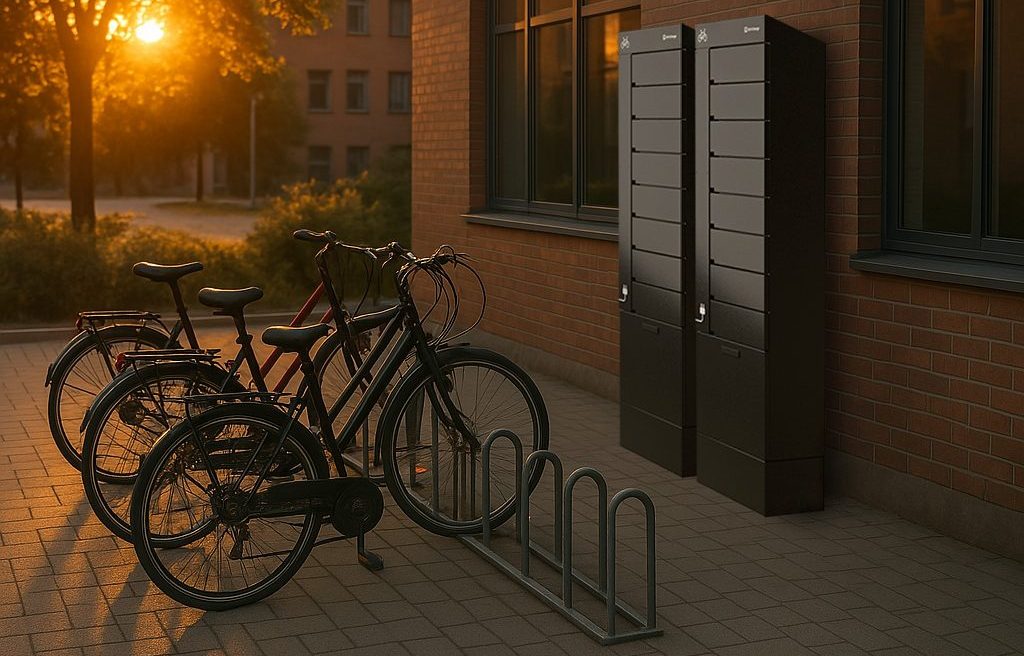
Place the charging station right next to the bike parking area. When the charging station is located where cyclists park anyway, it becomes a natural part of their daily routine; if the charging station requires a detour, it’s likely to remain unused.
Compare possible locations and assess how each one fits into the property's fire safety plan.
Outdoor placement
- Distance to facades, windows, entrances, and escape routes.
- Combustible materials nearby.
- How a potential fire could affect the building and its surroundings.
Indoor placement
- Fire protection and fire compartmentation of the building.
- Ventilation and Escape Routes
- Operations related to the charging station and where the batteries are stored between charging sessions.
Suggestion for your next step:
Mark two possible locations on a floor plan and review them with the person responsible for fire safety at the property.
4. Let people know about the charging station
Once a charging station has been selected, residents, employees, or visitors need to know:
- where the charging station is located
- how they gain access to it
- who to contact if they have questions.
Post signs as needed and document their locations on the relevant drawings as part of your systematic fire safety efforts. Also, determine whether this information needs to be included in your organization’s communications with emergency services.
Suggestion for your next step:
Let users know where the charging station is located, how they can access it, and who they can contact if they have questions.
5. Plan procedures and monitor how the charging station is used
Before the charging station is put into service
Go over the procedures with the people who will be responsible for managing the charging station on a day-to-day basis. In a condominium association, this might be the board of directors or the property manager. At a workplace or public facility, it might be the building manager or maintenance staff. Determine who will oversee the charging station, who users should contact if there are any problems, and who will handle fault reports.
At your workplace, you can also discuss the charging station when you review and practice your fire safety procedures.
Once the charging station has been in use for a while
Monitor how the charging station performs in everyday use.
- Is the inspection being carried out as planned, and does the person in charge know what needs to be checked?
- Do users know where to turn if something is wrong, and who handles the reports?
- Are charging and storage taking place at the location you intended? If batteries are being handled at other locations, find out why and whether the information or procedures need to be clarified.
Suggestion for your next step
Schedule an initial follow-up meeting as soon as the charging station is put into use. Decide who will collect feedback from users and bring it to the review meeting.
Once you know how many charging stations you need and where to place them, the next step is to find a solution that fits your business. Check out our electric bike charging solutions.
Electric Bike Charging Planning Checklist
We’ve put together a checklist to help you plan for electric bike charging at your property or business. Go through the five tips together and write down what you already have in place and what your next steps will be.
Would you like to learn more?
Are you planning to set up electric bike charging stations? In the first recorded episode of our webinar series, we go over what you need to consider when choosing a charging location, assessing the risks, and dividing liability between property owners and businesses.