
+46104952495
At entrances, dining areas, and walkways, visitors need to quickly understand where to dispose of their waste. Collect the correct waste categories in the same location and use clearly marked bins and consistent labeling.
Choose the capacity and location based on the type of waste generated. The stations should be easy to find and provide enough space for both visitors and staff to empty them.
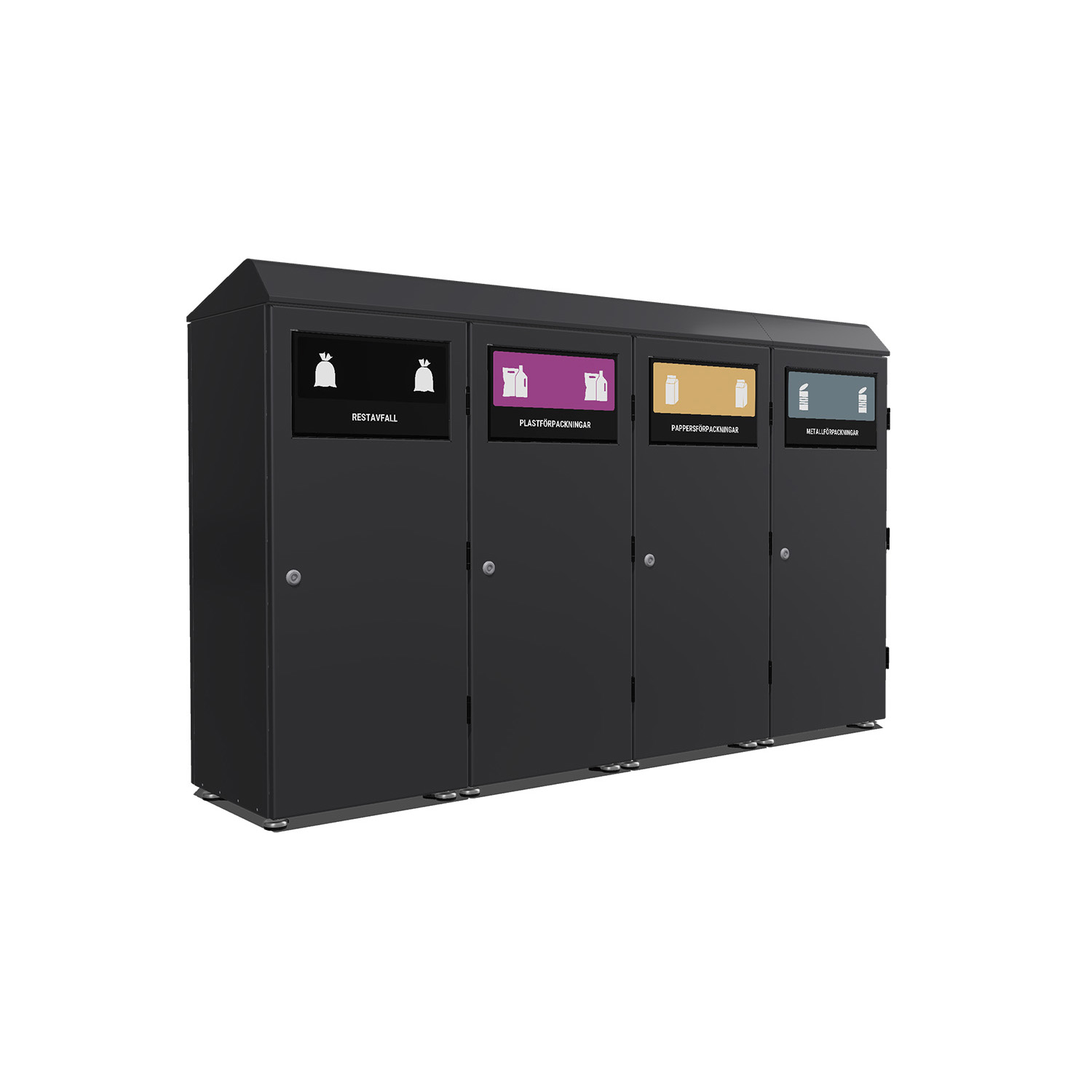
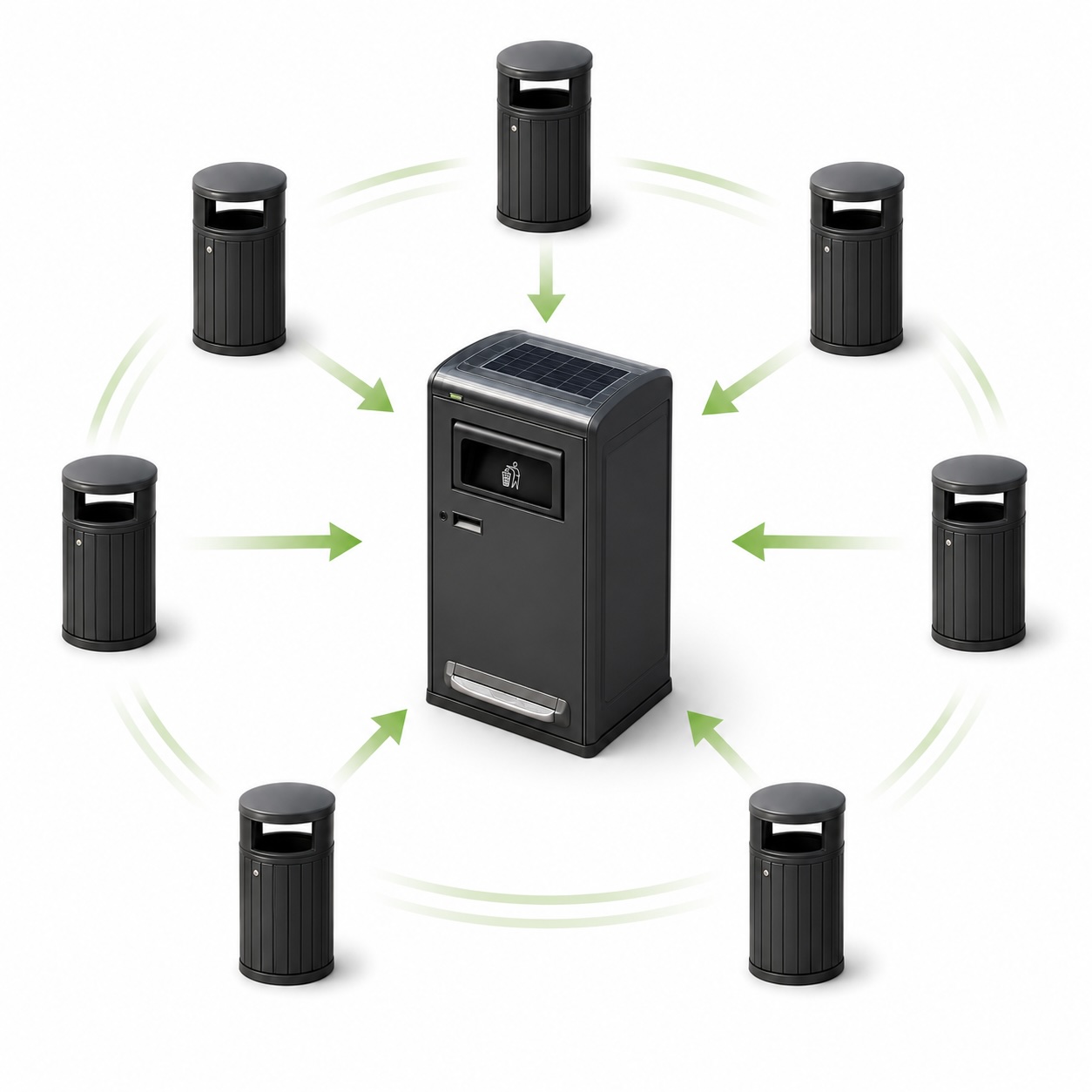
The amount of waste can vary between quiet weekdays and busy weekends. Where bins fill up quickly, compaction can provide more capacity for suitable waste.
Information on the fill level helps operations staff prioritize emptying. Adapt equipment and procedures to the load at each location.
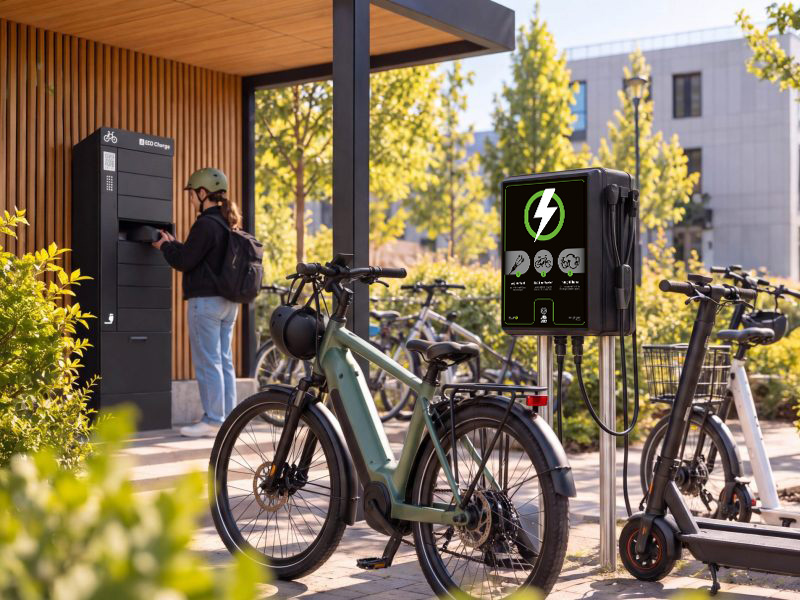
Make charging part of the service at the retail location. Choose a solution based on where the bikes are parked, how long visitors stay, and who will be using the charging stations.
At the bike parking area: direct charging for compatible electric bikes and electric scooters.
For removable batteries: charging cabinets with lockable compartments for storage and charging during visits or the workday.
See charging cabinets for electric bike batteries →
See charging stations for electric bikes →
Choose a model and configuration based on location, intended use, and operating conditions. Here are four options to consider.
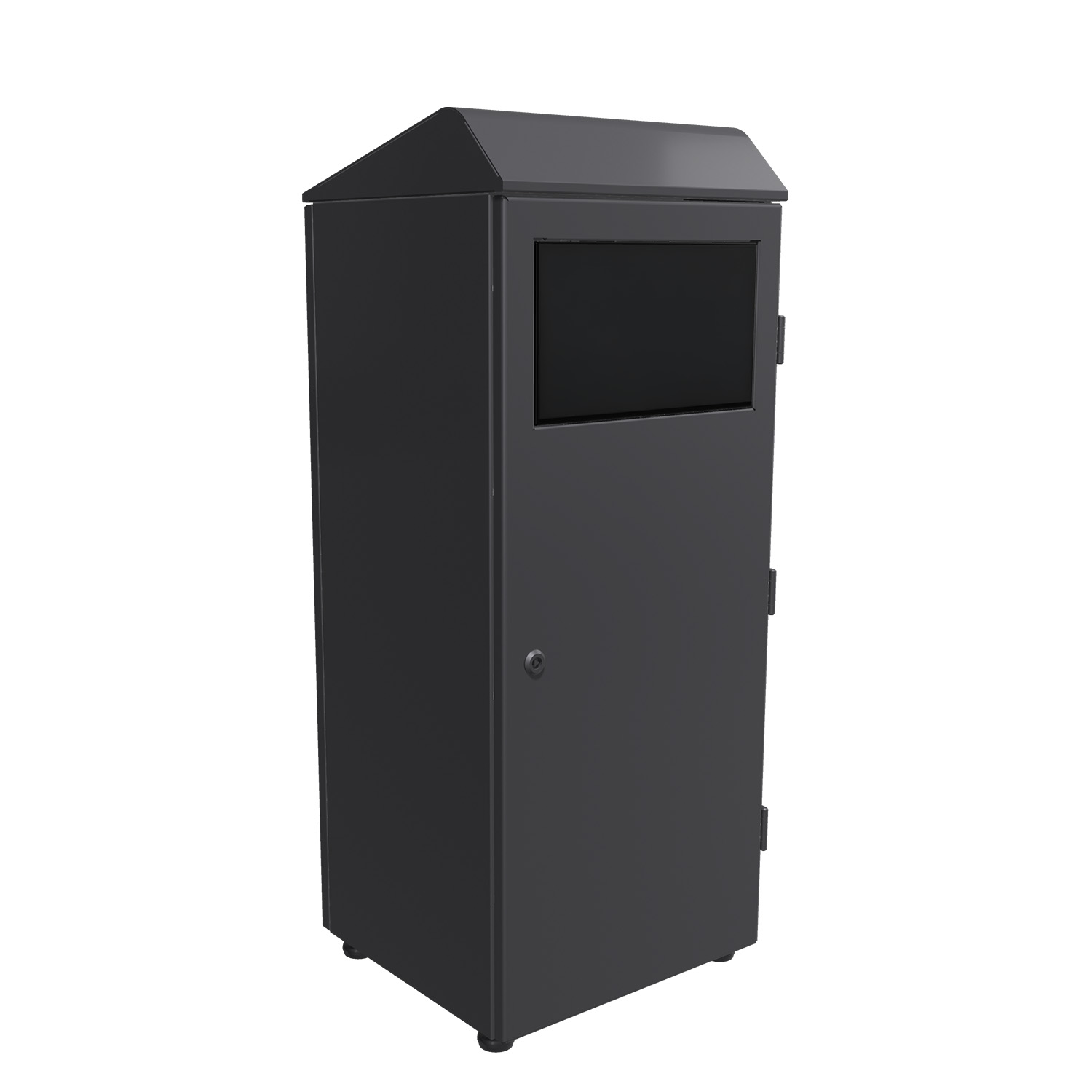
Modular Waste Sorting
Modular waste sorting for entryways and common areas. Combine modules, waste chutes, and labeling based on the types of waste at the location.
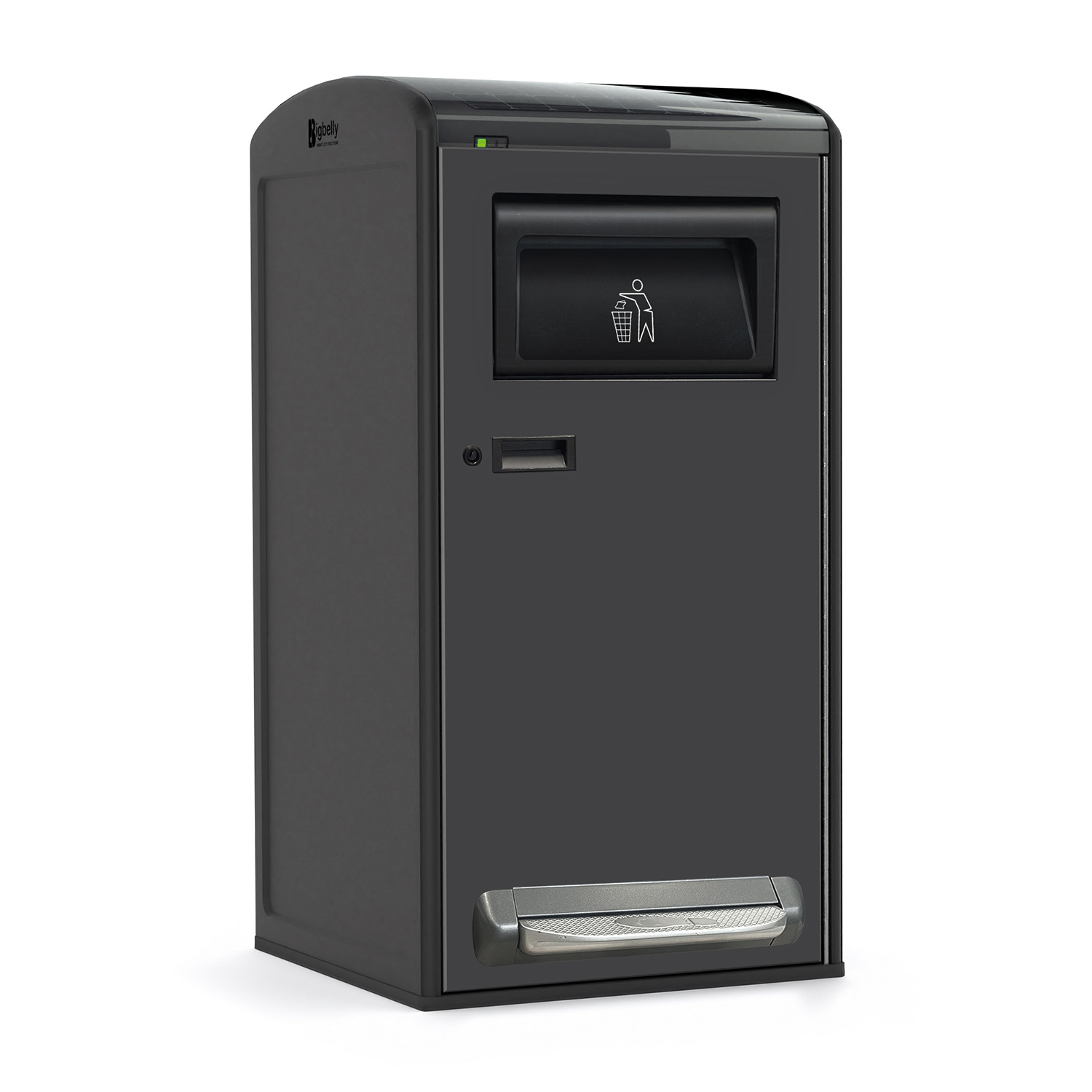
High capacity
Compaction provides more capacity for suitable waste. The fill level information helps staff prioritize emptying.
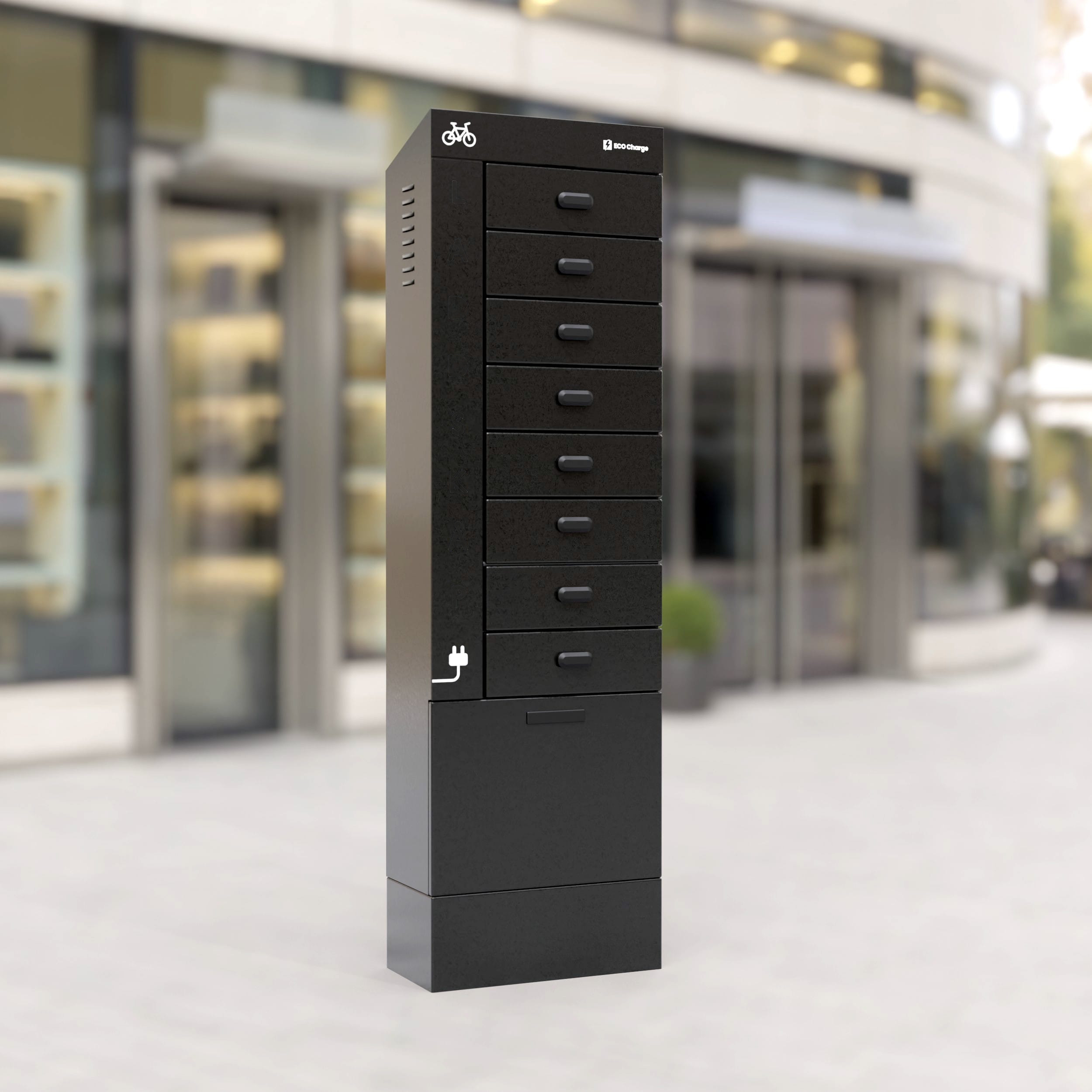
Removable batteries
Eight lockable compartments with electrical outlets for removable electric bike batteries. For visitors and employees who want to store and charge their batteries during their visit.
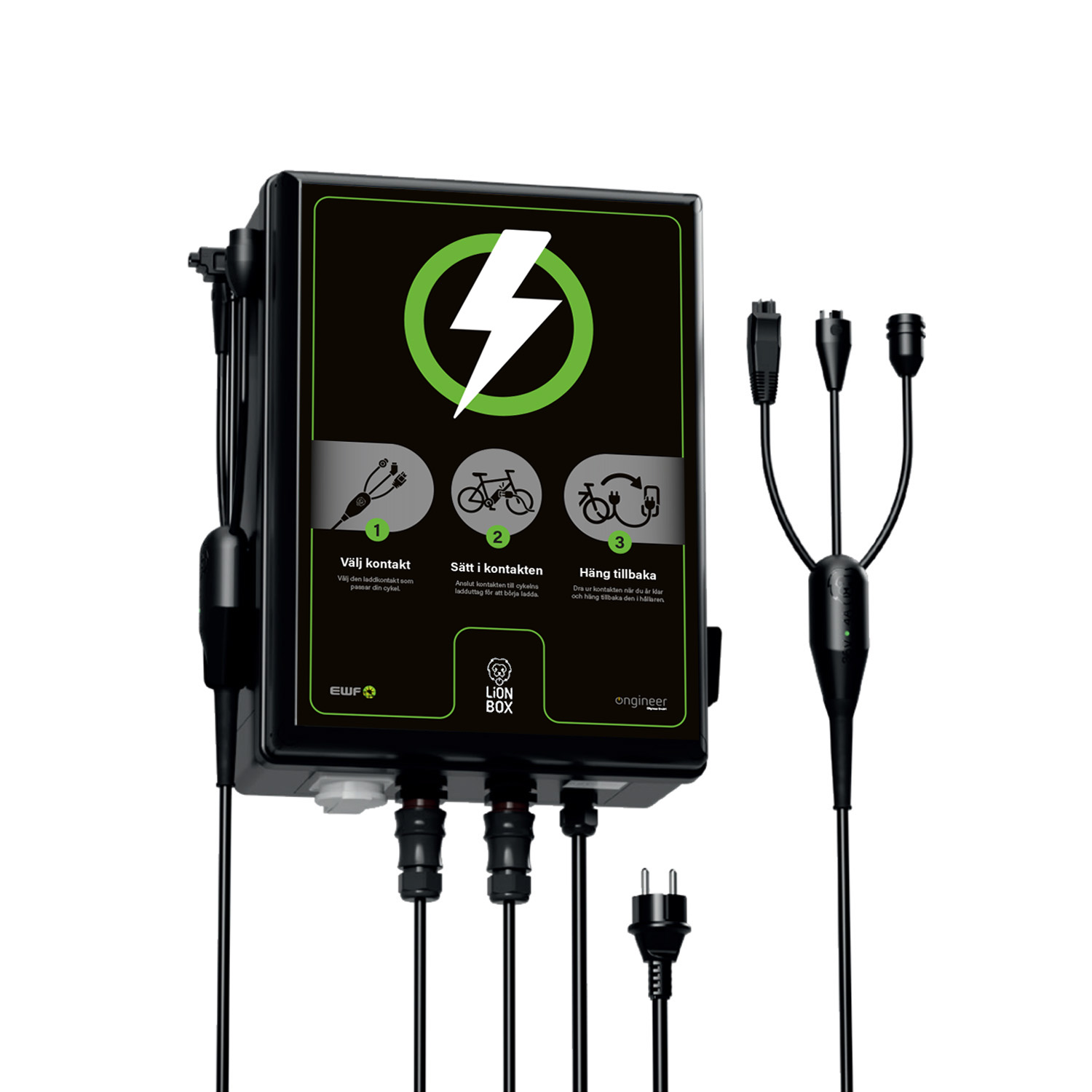
Charging at the Bike
Direct charging at the bike parking area for compatible electric bikes and electric scooters. Select the connectors based on the types of bikes you want to charge.
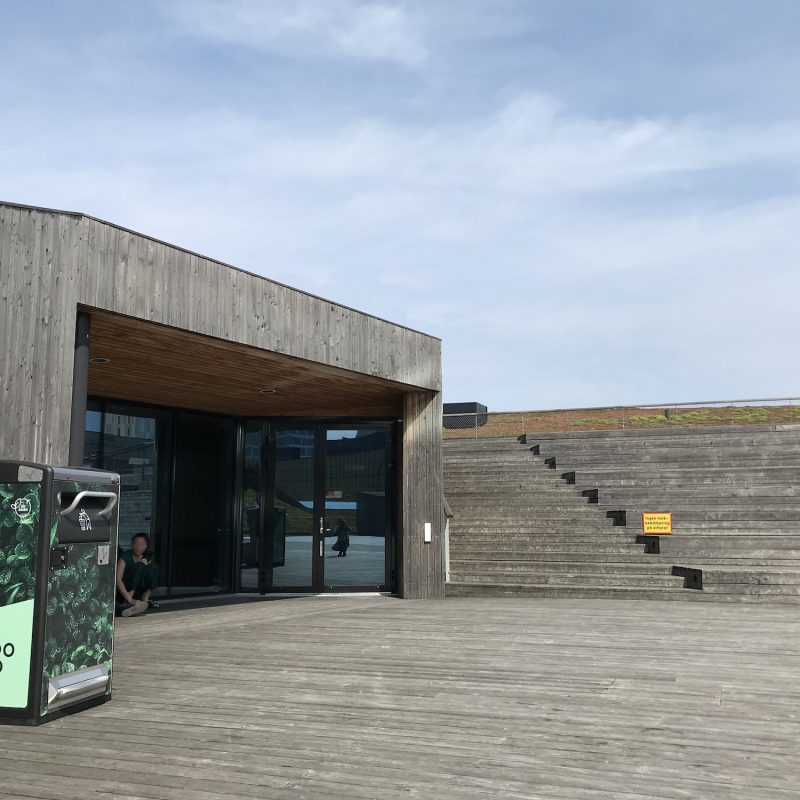
Bigbelly s were installed in the public rooftop area of the Emporia shopping center in Malmö. In this customer case study, we describe how compaction and information about the need for emptying were included in the solution.
Different areas may require different capacities, layout, and functions. Consider how entrances, dining areas, walkways, and bike parking areas are used. Consistent signage and well-thought-out placement help visitors find their way.
Start by identifying what types of waste are generated, where they are generated, and how the collection process works. Adjust waste categories, disposal points, and capacity based on waste volumes and how often staff can empty the bins. Also plan for space needed for maintenance and access.
Direct charging is suitable when the bike remains at the charging station. Charging cabinets are suitable for removable batteries that need to be stored during a visit or the workday. The choice should take into account location, electrical connection, compatibility, and how users access the charging station.
Please describe which areas are included, when visitor traffic is at its peak, and how waste removal works today. For charging, we need to know who will be using it and where it should be located. Photos or a simple site plan would be helpful.
Tell us about your space, visitor flow, and how operations work today. We’ll help you choose products and plan their placement, capacity, and charging based on your location’s needs.