
+46104952495
Make room for walks, picnics, and spontaneous gatherings. We’ll help you plan waste management, recycling, and lighting that suit the park’s use—taking into account visitors, seasonal variations, and the staff who maintain the park.
At park entrances, seating areas, and play areas, it should be easy to dispose of and sort waste. Place the bins where visitors naturally pass by and collect different types of waste in the same location.
Adjust capacity based on the season and volume of waste. Compaction can create more space for appropriate waste. Fill level information helps staff prioritize emptying.
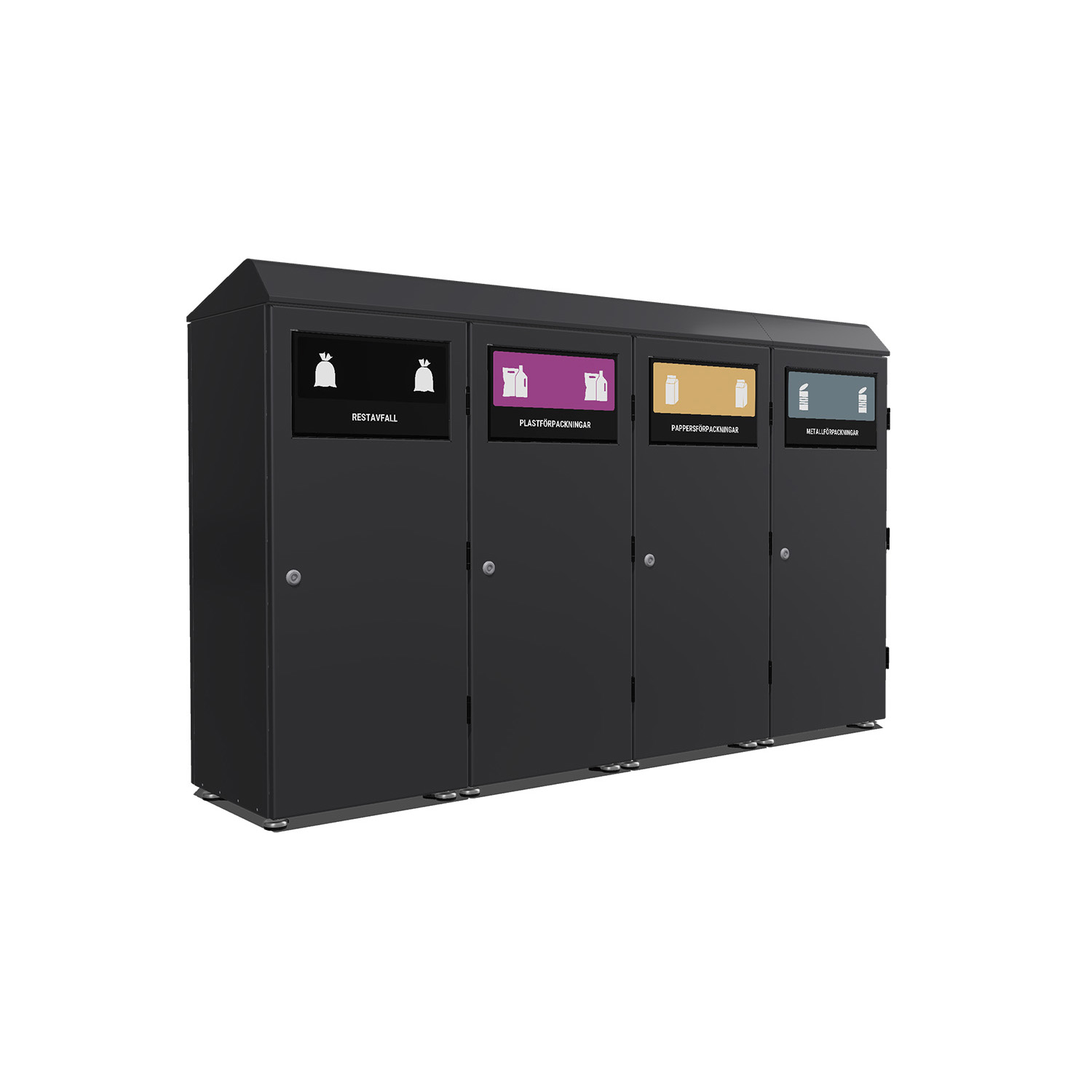
Entrances and Intersections
Make the waste collection points visible without obstructing pedestrian and bicycle traffic.
Picnic and Play
Choose waste categories and capacity based on the actual amount of waste generated.
Walking Paths: Plan lighting and service access based on how the paths are used.

The lighting needs to suit both the character of the space and the people who use it. Start with walkways, entrances, and key connections. Choose light sources and control systems based on the needs of each section.
Solar-powered bollards can be an option in areas without a permanent electrical connection. Location, shading, and desired operating time must be evaluated together.
Combine waste management and lighting based on the park’s areas, use, and maintenance.
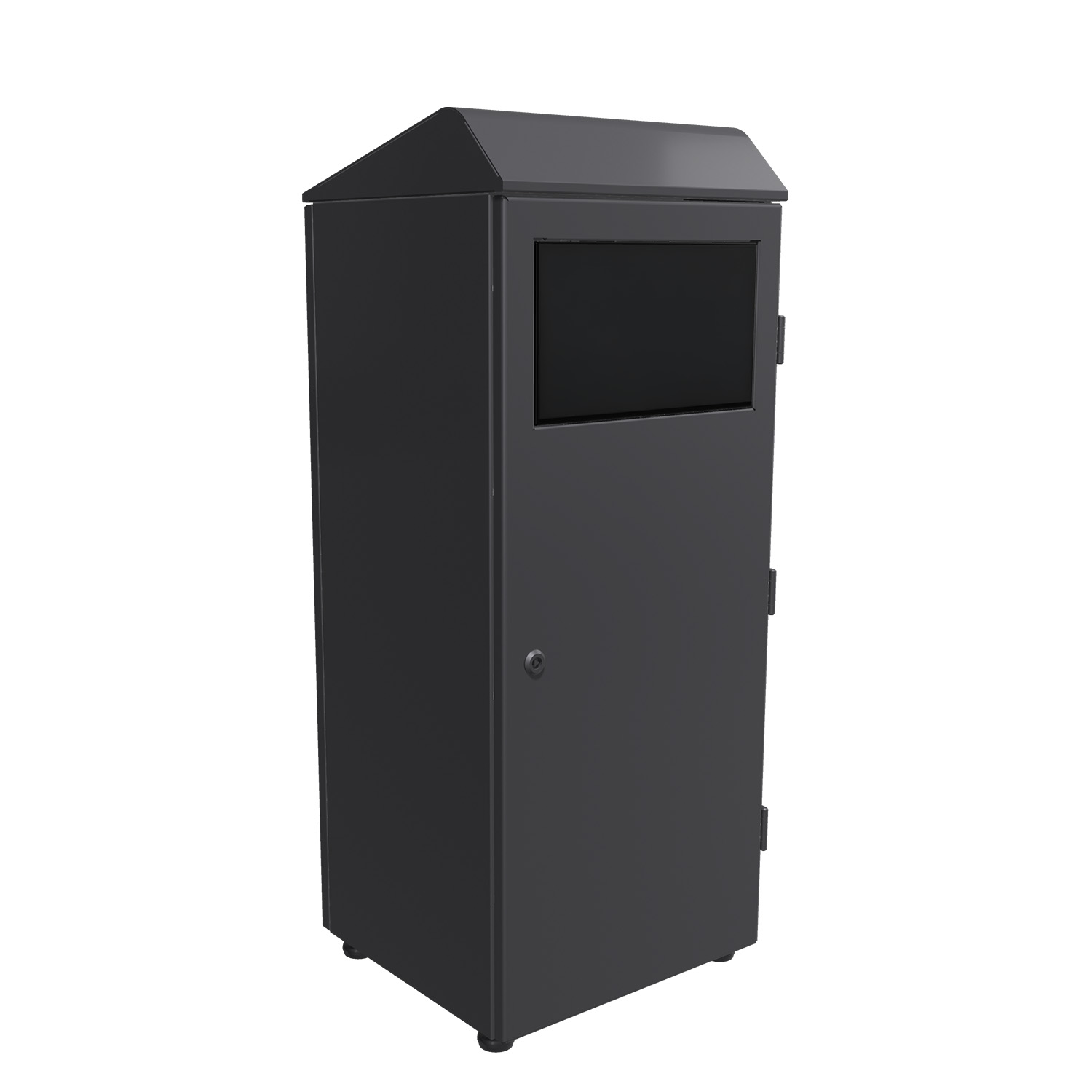
Modular Waste Sorting
Combine modules, waste receptacles, and labeling for waste at the park’s entrances and recreational areas. An option for locations with scheduled collection routines.
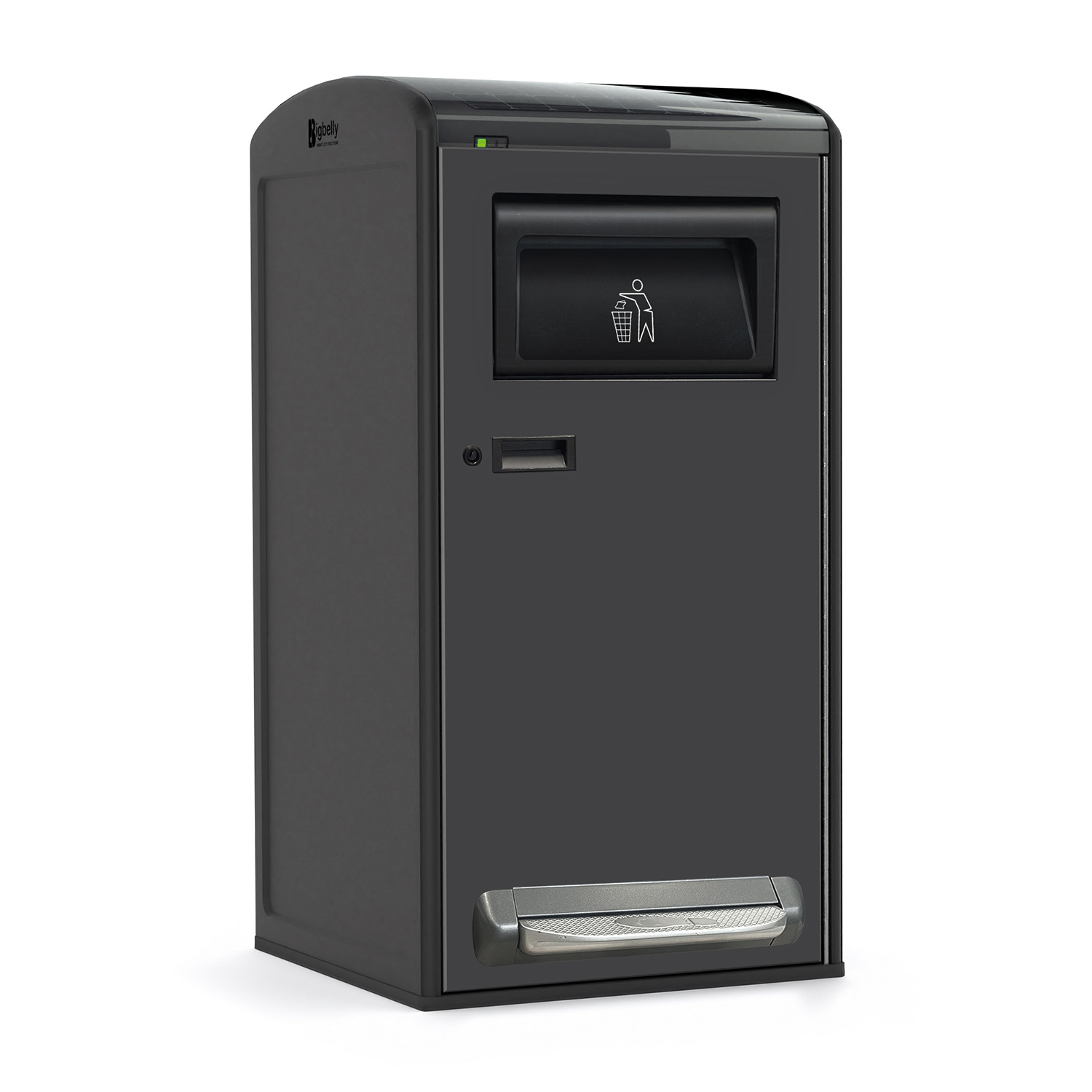
Capacity and Fill Level Data
Compaction provides more capacity for suitable waste. The fill level data helps staff prioritize emptying at the park’s busiest locations.

Solar powered lighting
Solar-powered bollards with motion-sensor control for walkways and outdoor areas. Their placement and operation must be adapted to the lighting needs and conditions at the site.
No. In locations with a consistent volume of waste, fixed collection schedules can work well. Filling data is primarily a helpful tool in situations where waste volumes vary or staff need to prioritize among many locations.
It depends on lighting requirements, shading, and the desired operating hours. Start by assessing each section. Different parts of the park may require different lighting solutions.
Tell us about the park’s spaces, visitor traffic, and how maintenance is currently handled. We’ll help you assess capacity, layout, and lighting based on the site’s needs.