
+46104952495
A town square can be quiet in the morning and bustling with people at lunchtime. We’ll help you choose waste management and recycling solutions that accommodate the city’s fluctuating traffic—with clearly marked waste collection points for visitors and a daily routine that works for the operations staff.
The amount of waste can vary significantly between nearby locations. Information about the fill level gives staff a better basis for prioritizing emptying and monitoring how the stations are used.
Compaction can provide additional capacity in situations where suitable waste quickly fills standard containers. Combine technology, placement, and emptying procedures based on each location, and monitor the need.
Read how Alingsås got its start in a few places and continued to grow →
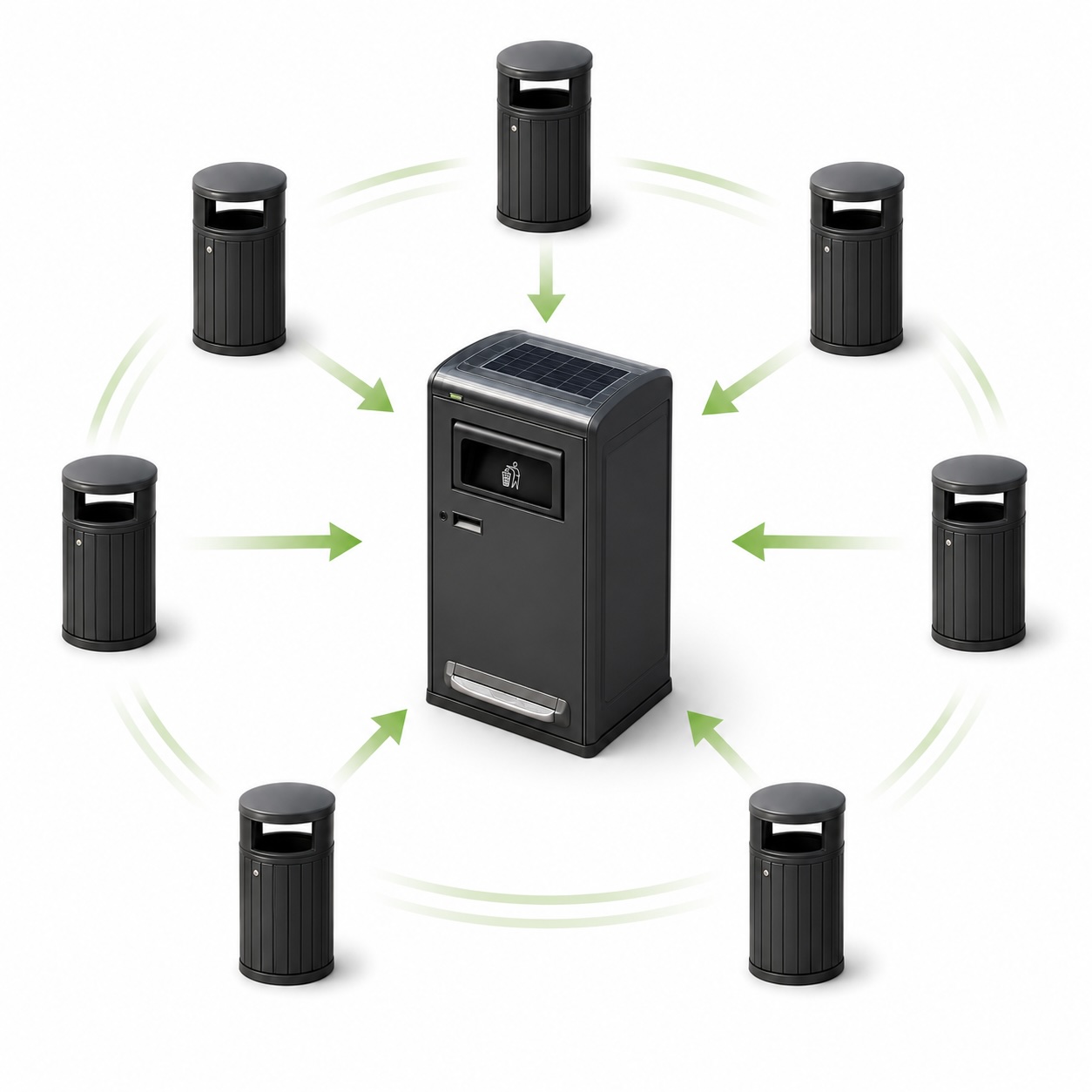
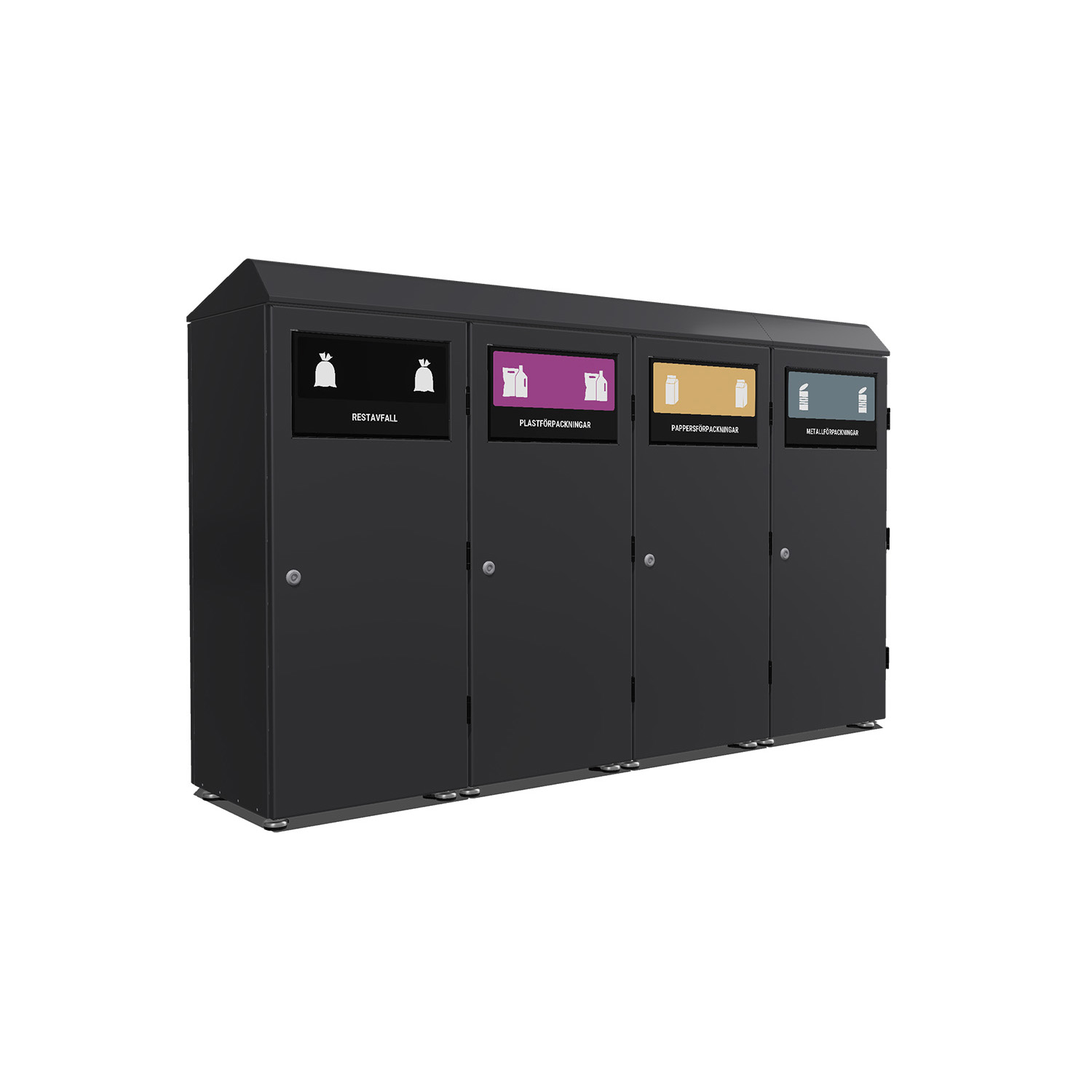
When moving between work, shopping, and public transportation, visitors need to quickly understand where to dispose of their waste. Group the types of waste you accept in the same location and use consistent names, symbols, and drop-off points.
Start by considering the waste generated in the market square or on the street. At the same time, plan how the materials will be kept separate after collection and how staff will access the stations.
Not all locations require the same technology. Here are three options to consider when planning your city’s waste collection points.
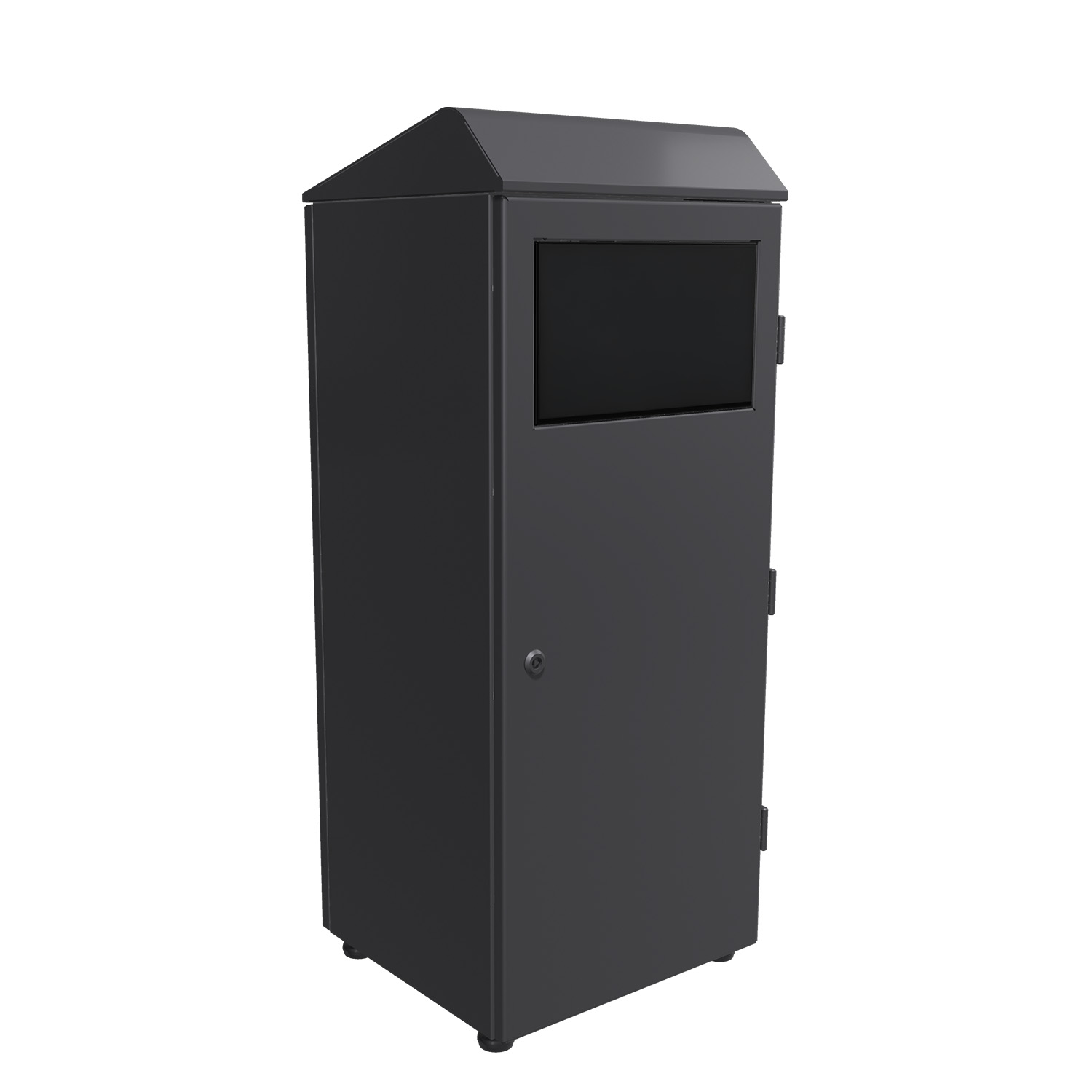
Modular Waste Sorting
Standalone or interconnected modules with waste disposal openings and labeling based on the site's waste types. For clearly marked waste collection points in public squares, pedestrian streets, and common areas.
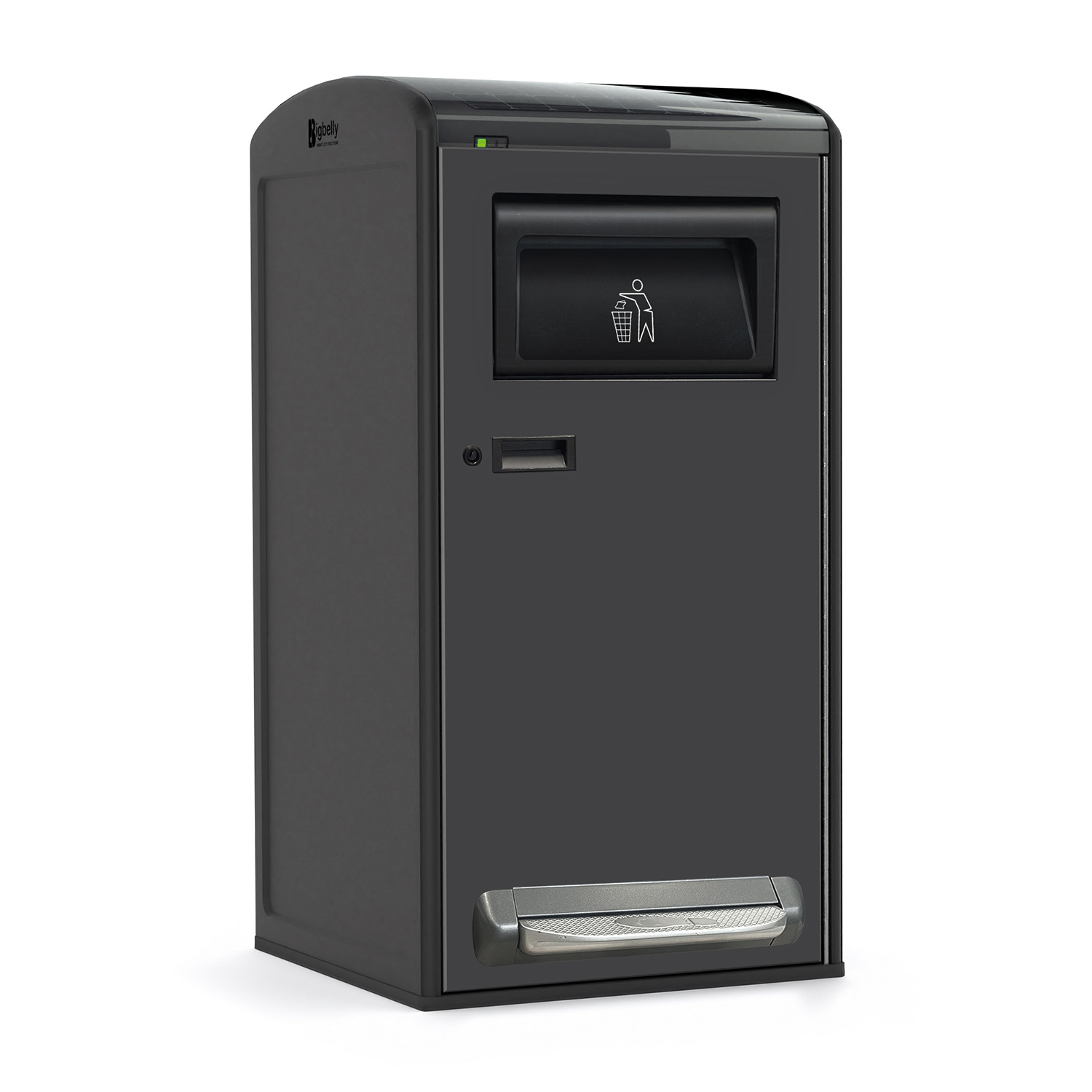
High capacity
For locations where certain types of waste quickly fill the containers. Compaction increases capacity, and fill-level data helps operations staff plan emptying schedules.

Offline
A closed trash can without sensors or a compactor. It can be used on its own or combined with other units to create a sorting station for the location.
Square: Plan for lunches, outdoor dining, and temporary markets.
Pedestrian Street. Place the containers in a visible location and leave clear passageways for people and service vehicles.
Event space
Assess additional capacity and how evacuation will be managed during peak demand periods.
You don't need to do that. Tailor the capacity, access points, and technology to the type of waste and the volume at each location. Consistent labeling and thoughtful placement help visitors recognize the solution.
Yes. Select a few locations with clear needs, document today’s emptying, and track usage. These insights will provide a better basis for planning the next steps and assessing which locations need additional bins.
Tell us which plazas and walkways need to function better. We’ll help you choose the right capacity, sorting options, and placement, taking into account both visitors and day-to-day operations.