
+46104952495
Make it easy for guests to sort their waste and charge their electric bikes during their stay. We help campgrounds and vacation resorts choose waste stations, recycling systems, and charging solutions that suit the location, visitor traffic, and staff routines—from the front desk and service buildings to common areas and bike parking.
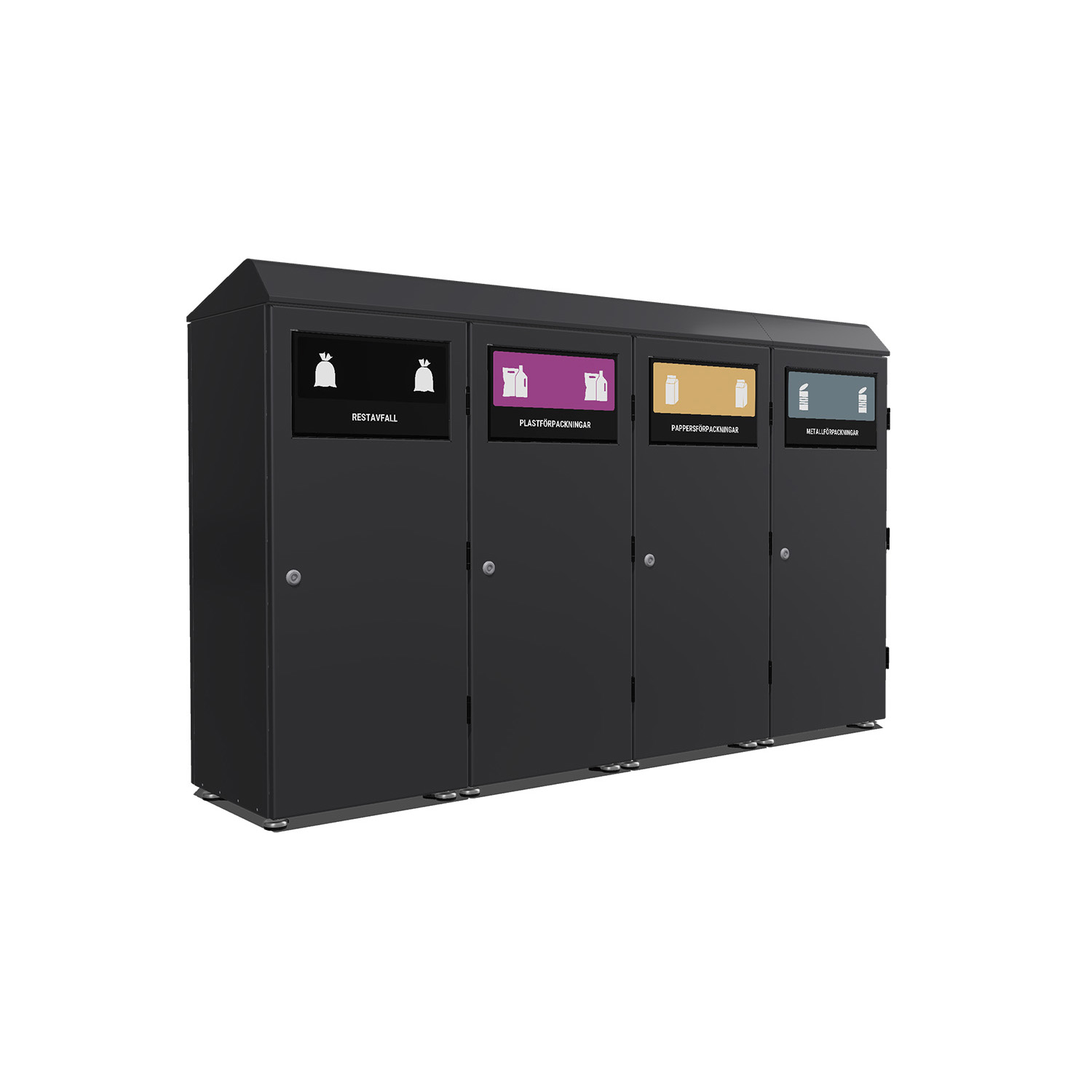
A good recycling center should be easy to find and understand, even for first-time visitors. Base your design on the types of waste generated and the categories you can collect. Use consistent symbols, colors, and labels throughout the facility. Include additional languages where necessary.
Also plan for staff operations. The bins should be easy to open, empty, and maintain without blocking walkways or access to service buildings and entrances.
A quiet walkway and a busy restaurant rarely require the same equipment. Keep track of which bins fill up quickly, what kind of waste they contain, and how staff empty them today. Plan for both quiet periods and days with high occupancy.
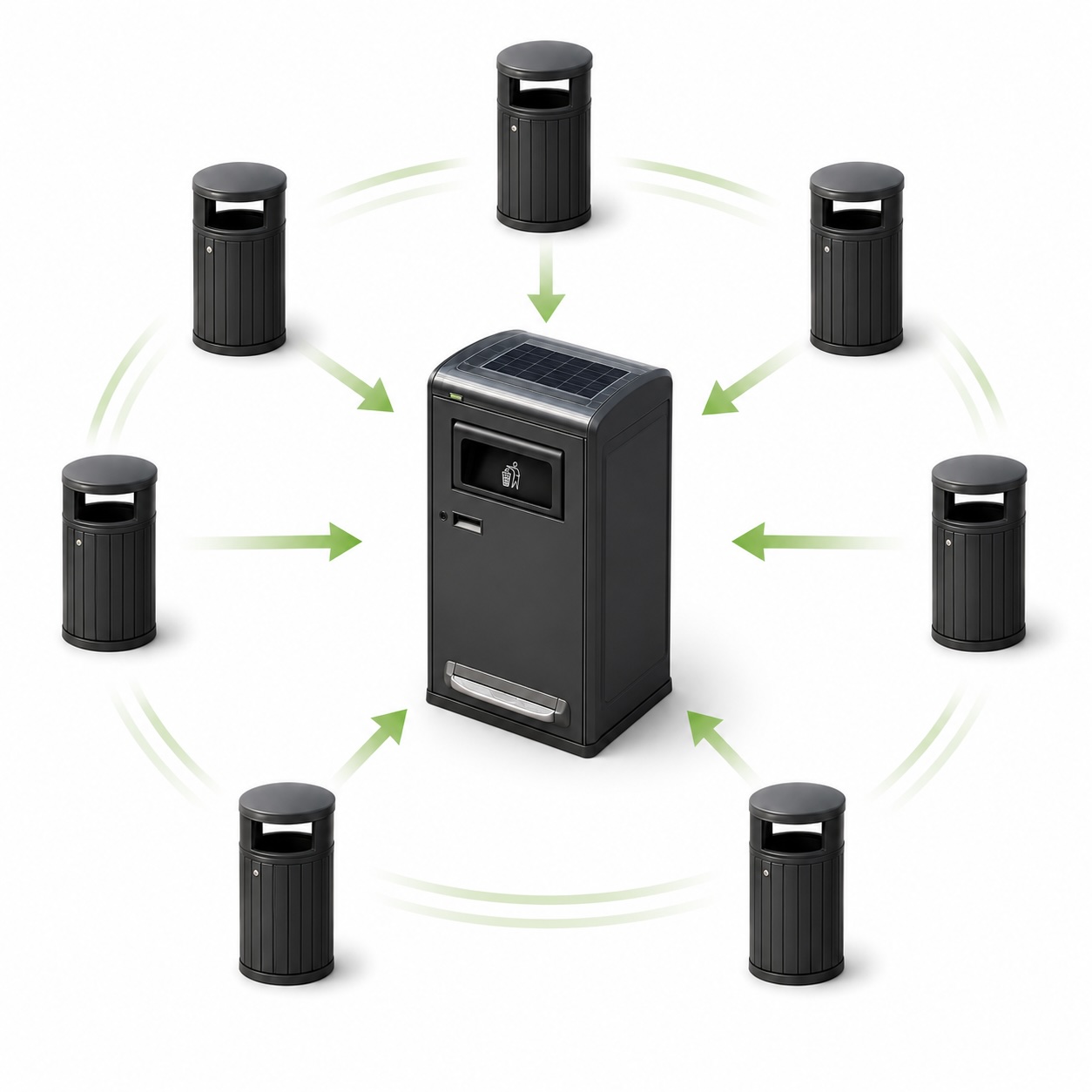
In locations where suitable waste takes up a lot of space, compaction may be an option. Information on fill levels can help determine the priority of collection schedules. In other locations, standard containers and scheduled inspections may work well.
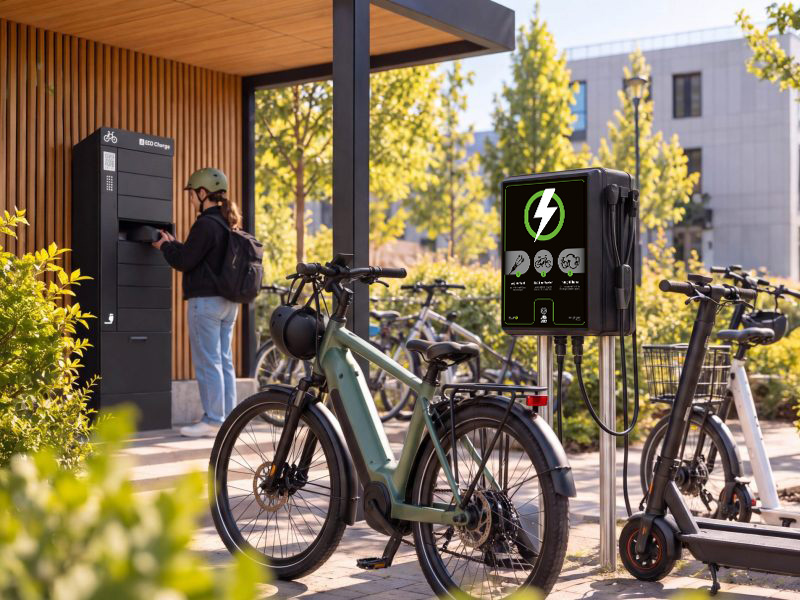
Make electric bike charging a key part of your guest service. A charging cabinet allows guests to lock away a removable battery while it charges. Direct charging is suitable for locations where the bike is parked and the station’s connections are compatible with the bike.
Choose based on how long guests will stay and which types of bikes will need to be charged. Plan for electrical connections, signage, and supervision. Guests should understand where the charging stations are located, what they need to bring, and how to use the facility.
See charging cabinets for electric bike batteries →
See charging stations for electric bikes →
Choose equipment based on the location's function and load. Here are four options for different parts of the facility.
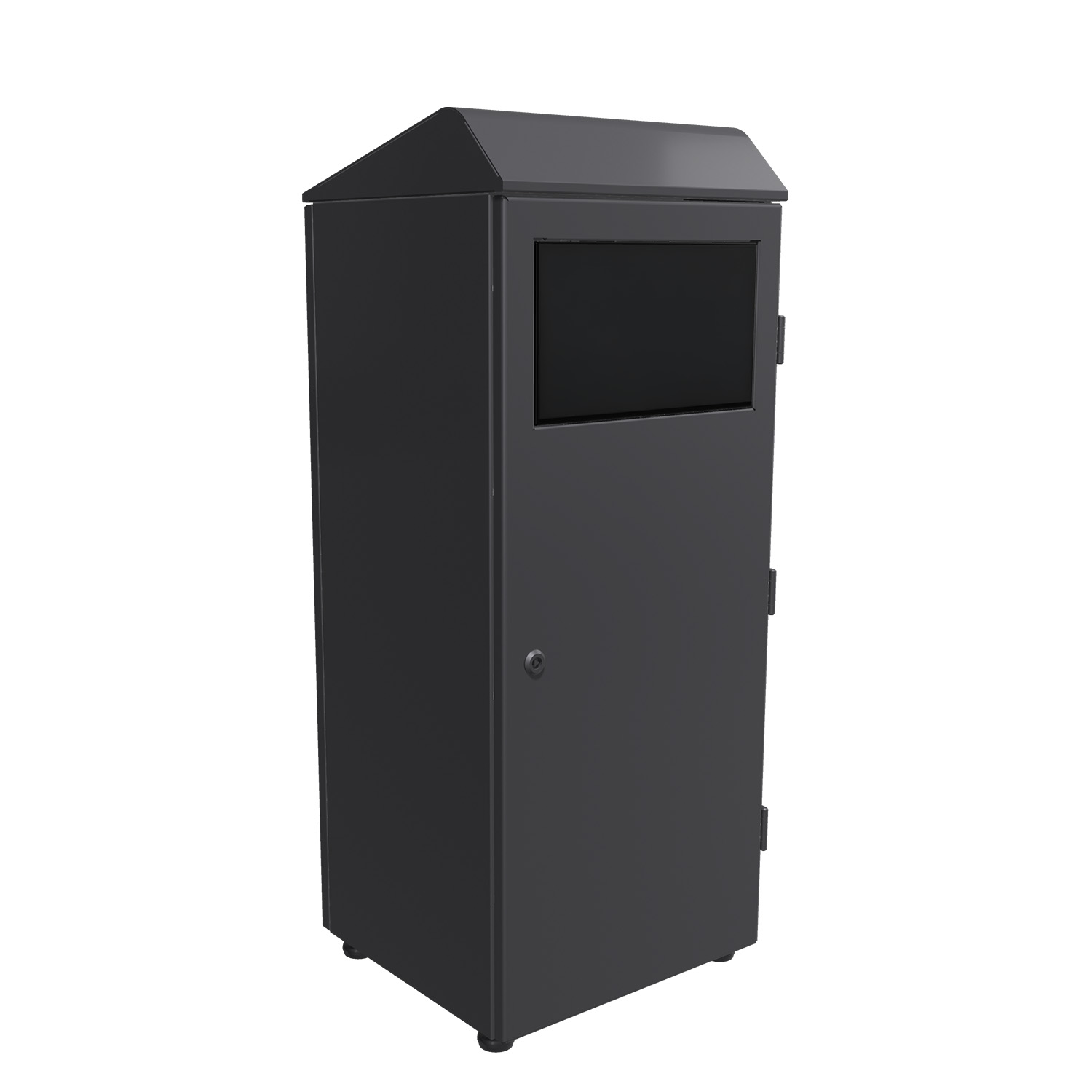
Modular Waste Sorting
Combine modules for different waste categories at the reception area, in dining areas, or in common areas. The number of modules, openings, and labeling can be customized to meet your needs.
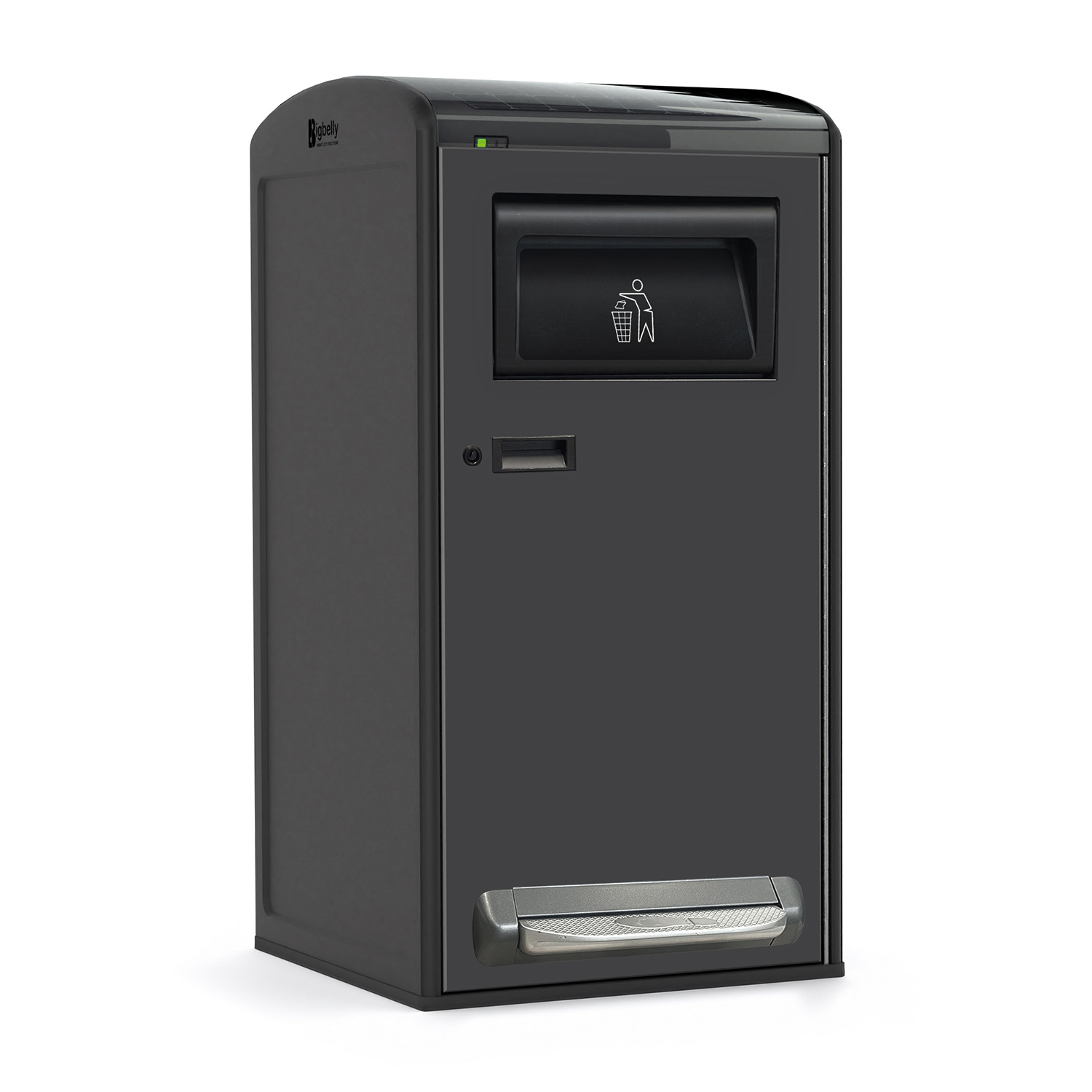
High capacity
Compaction creates space for more waste between collections. The fill level information helps staff prioritize. An option where the load and type of waste justify the feature.
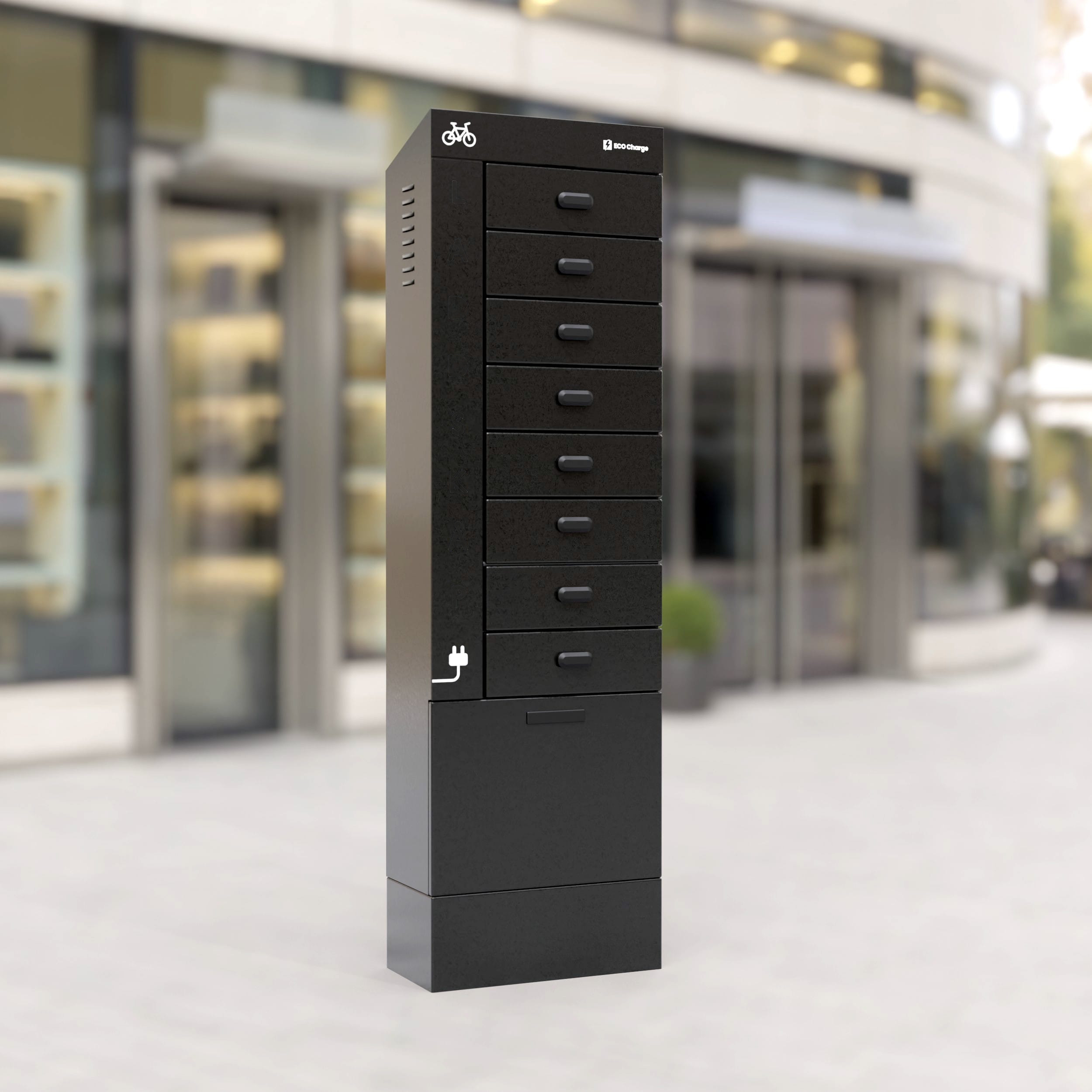
Removable batteries
Outdoor charging cabinet with eight individually lockable compartments and electrical outlets for removable electric bike batteries. Locking options can be selected based on how you want to offer and manage charging.
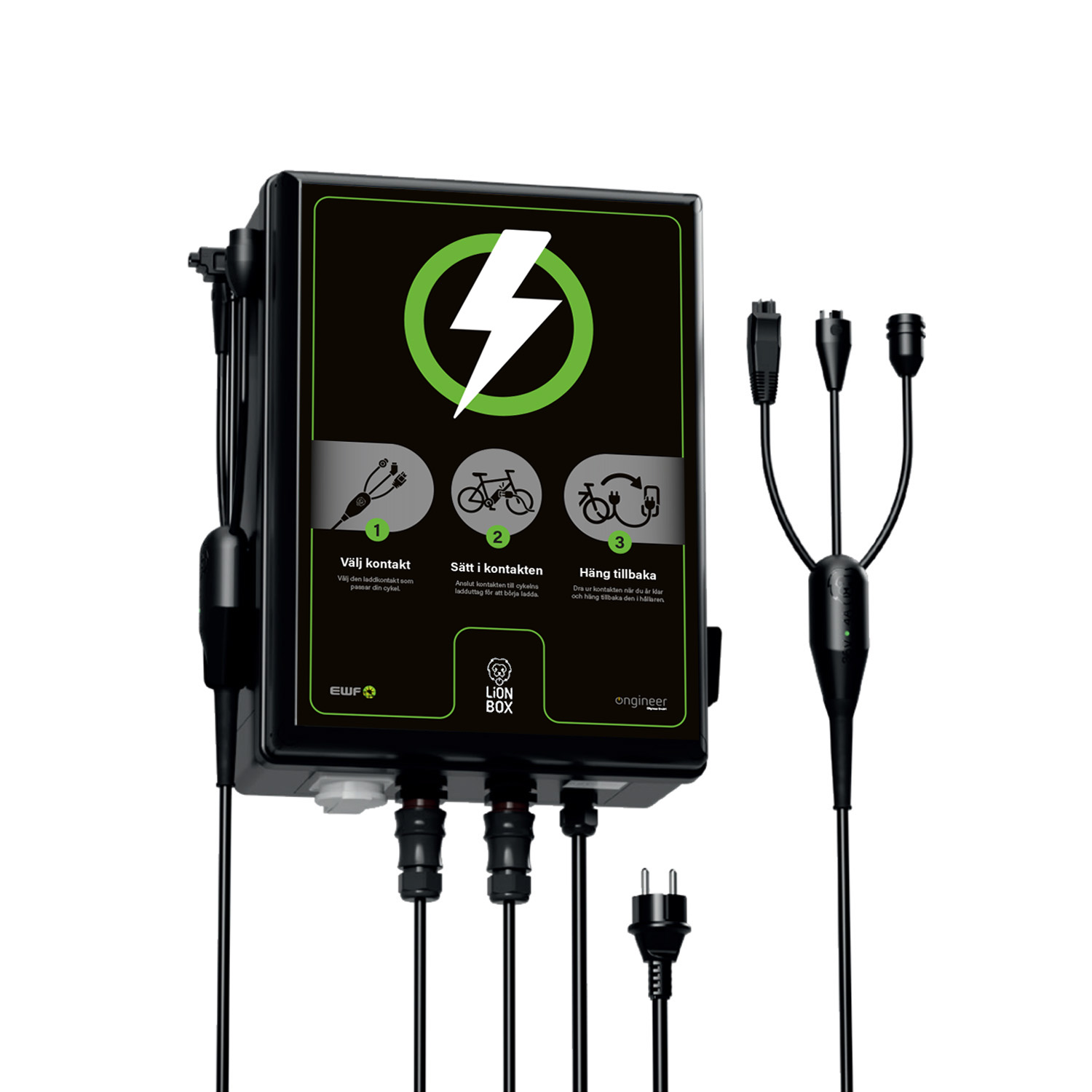
Charging at the Bike
Direct charging with built-in cables for compatible electric bikes. An additional power outlet allows you to use your own charger. Place it at the front desk or in the cafeteria, for example.

Start with a map of the area and mark where waste is generated, which spots require extra supervision, and where guests park their bikes.
Reception: Show where sorting and charging are located.
Service building: Collect waste fractions with clear labeling.
Common areas: Adjust capacity to match demand.
Bicycle parking: Provide access and simple charging instructions.
Together, we'll go over the location, product selection, and practical considerations.
This depends on the facility’s design, flooring, types of waste, and emptying procedures. Start by identifying common areas and the locations that currently require the most supervision. The number of stations and their capacity need to be assessed together. A well-thought-out placement is just as important as the capacity of each container.
No. Compaction may be appropriate in situations where suitable waste fills the bins quickly, resulting in frequent pickups. In areas with lower waste volumes, standard bins may be a better fit. Different waste streams also require different handling methods. We can help you assess which locations would benefit from compaction and provide information on bin fill levels.
When charging in a battery compartment with an electrical outlet, use a charger designed for that battery. Direct charging uses the station’s charging cable and requires a compatible connection and battery type. Clear instructions should indicate which bikes can be charged and when guests need to use their own charger.
Waste stations along walking paths, at the reception area, and in the dining area are part of the overall system. The campground’s total waste—from guests, services, and operations—may require different containers, collection points, and pickup procedures. We’ll work with you to determine which area you’d like to improve and how it should integrate with your existing waste management system.
Tell us about your campground, your current waste management practices, and how you’d like to offer electric bike charging. We’ll help you choose solutions and locations that work for both guests and staff.