
+46104952495
Make it easy to sort waste when serving food, dispose of trash along the walkway, and charge electric bikes during your visit. We help amusement parks and visitor attractions choose the right equipment, capacity, and placement based on guest traffic patterns and staff workflows—from the entrance to the area’s most popular spots.
Consider the visitor’s path through the facility. Where are packages left after a meal? Where do groups gather, and where does it get crowded? Place waste and recycling stations at these points, leaving enough space for both use and passage.
Make sure symbols, colors, and short texts are recognizable throughout the entire area. In areas used by many children, the height and design of the waste receptacles should be carefully evaluated. Also, check which types of waste your collection system can handle.
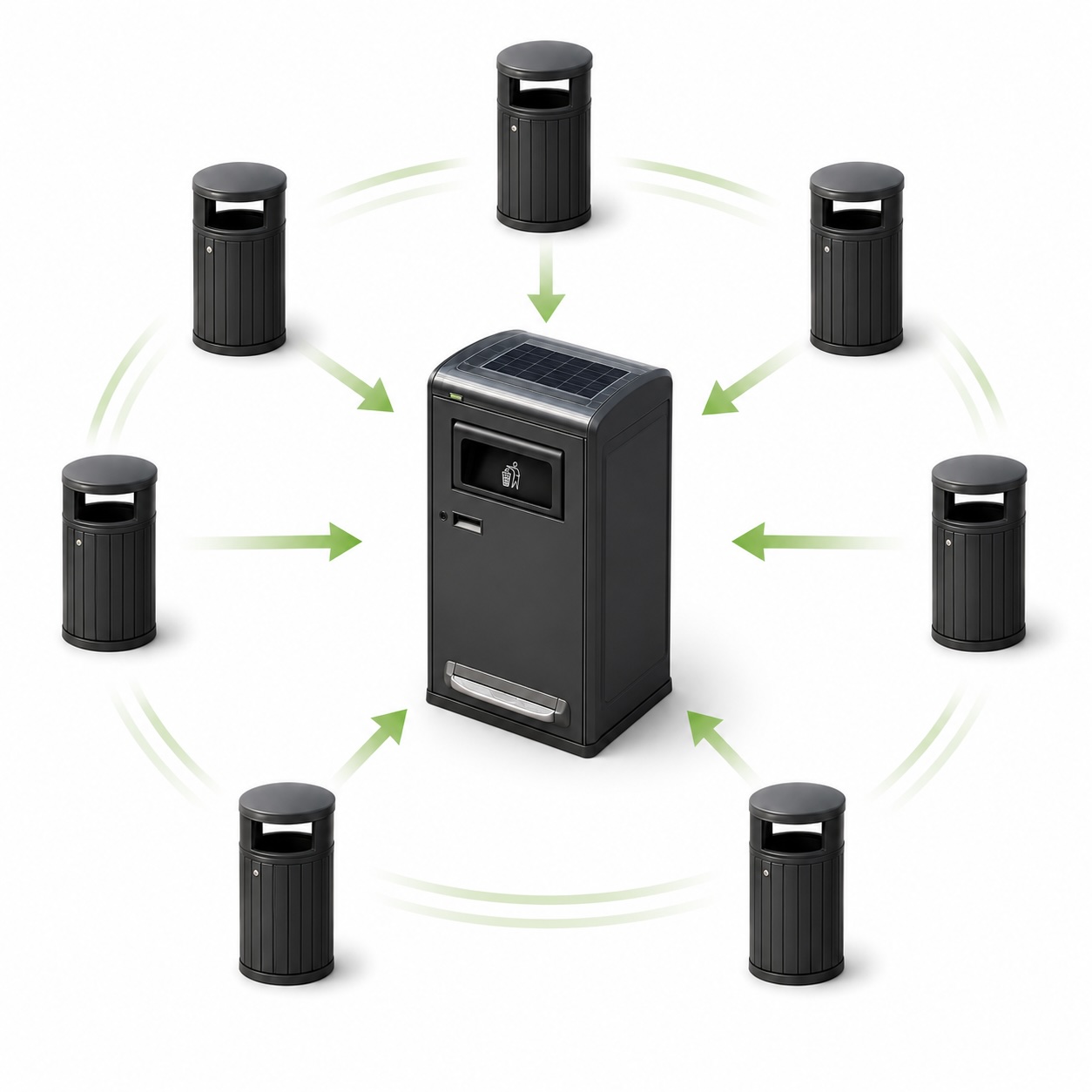
Start with the areas where bins fill up quickly or where staff need to make extra collection rounds. Consider the volume and composition of the waste, as well as the times when the location experiences the heaviest volume of waste. Where the waste is suitable for compaction, a higher capacity can allow for longer intervals between collections.
In other locations, standard containers and scheduled inspections may be a good choice. Information about fill levels can help with prioritization. Combine this with knowledge of events, serving times, and daily visitor flows.
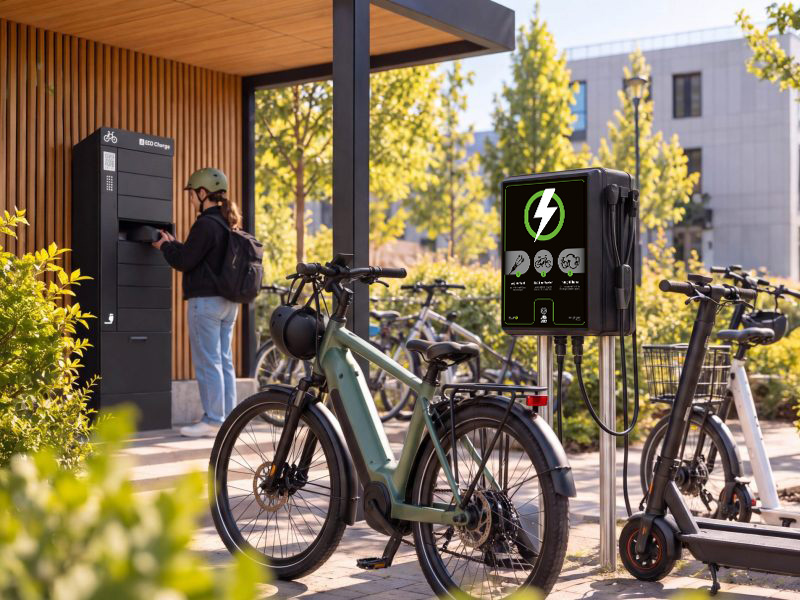
At the entrance or in the bike parking area, charging can be a convenient part of the service. Choose between direct charging at the bike and lockable compartments for removable batteries, depending on how guests use the space and how long they stay.
Plan bike parking, instructions, and supervision together. Direct charging requires compatible connectors. In a charging cabinet with electrical outlets, use a charger designed for the battery.
See charging cabinets for electric bike batteries →
See charging stations for electric bikes →
Combine products where they are most effective. Here are four options for sorting, capacity, and charging. We’ll help you evaluate design and placement.
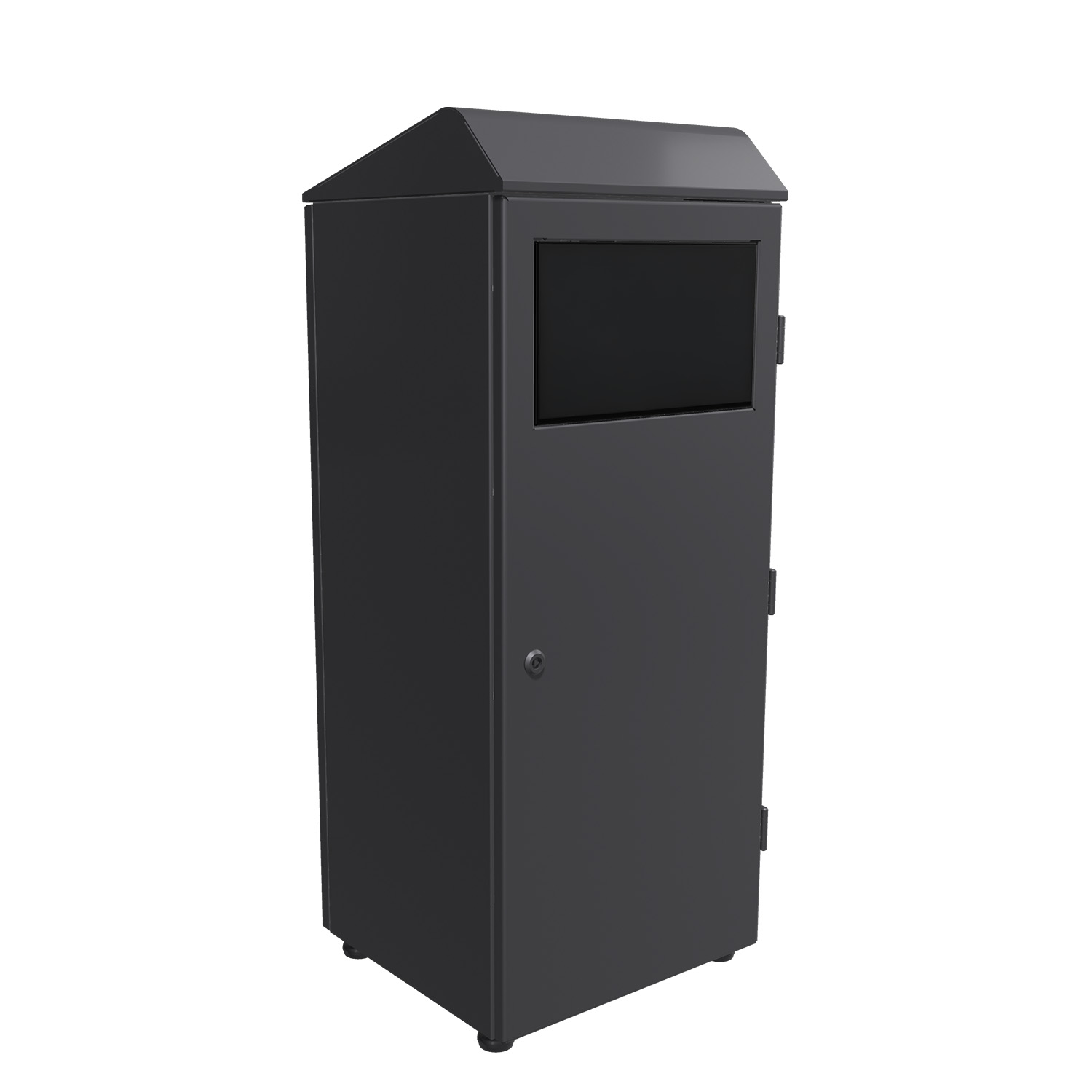
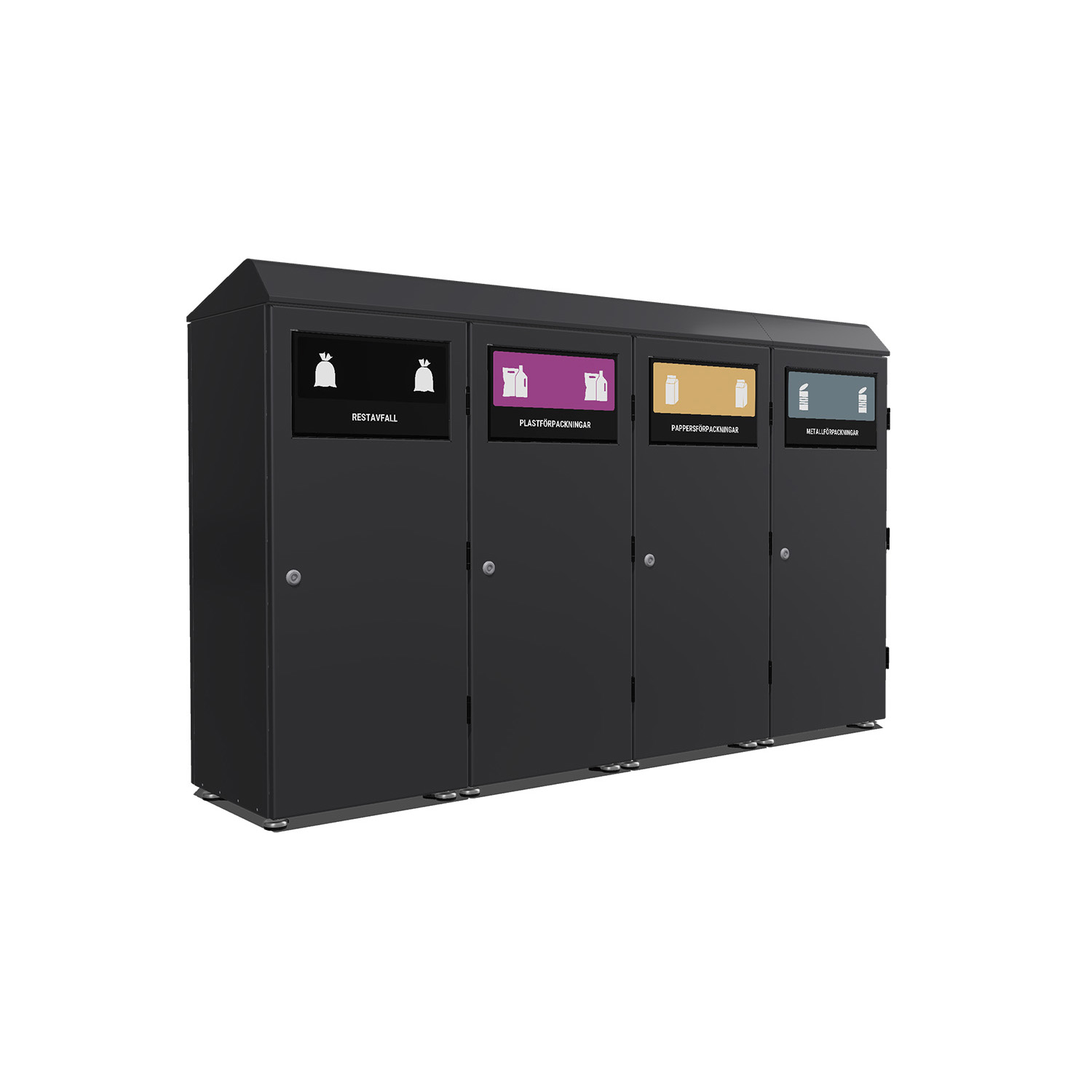
Modular Waste Sorting
Build a sorting station with modules for the waste categories you collect. Customize the drop-off points and labeling to suit the location. Choose a capacity that will last between scheduled pickups.
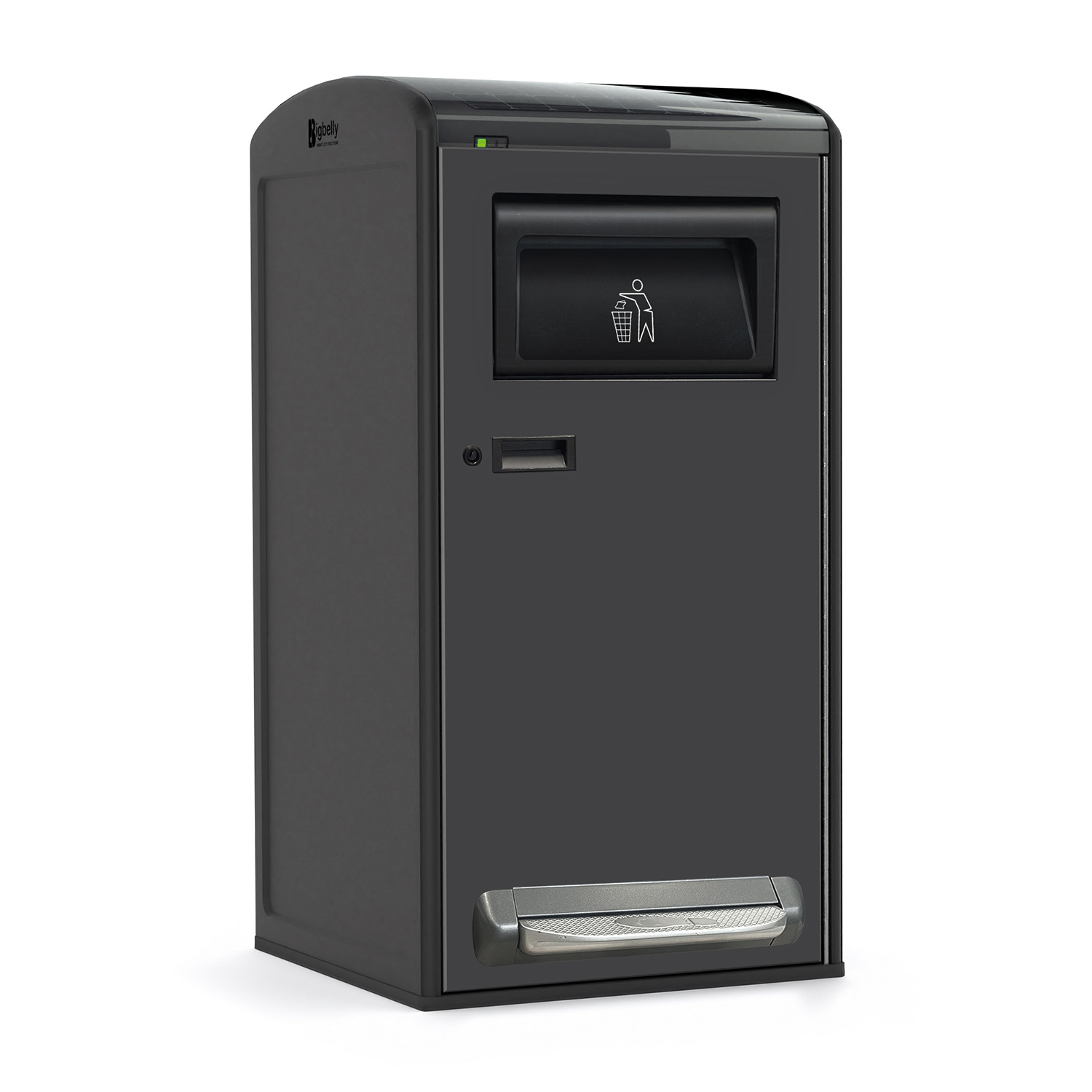
High capacity
For locations where waste quickly fills standard containers. Smart Max combines compaction with information on fill level and operational status at CLEAN.
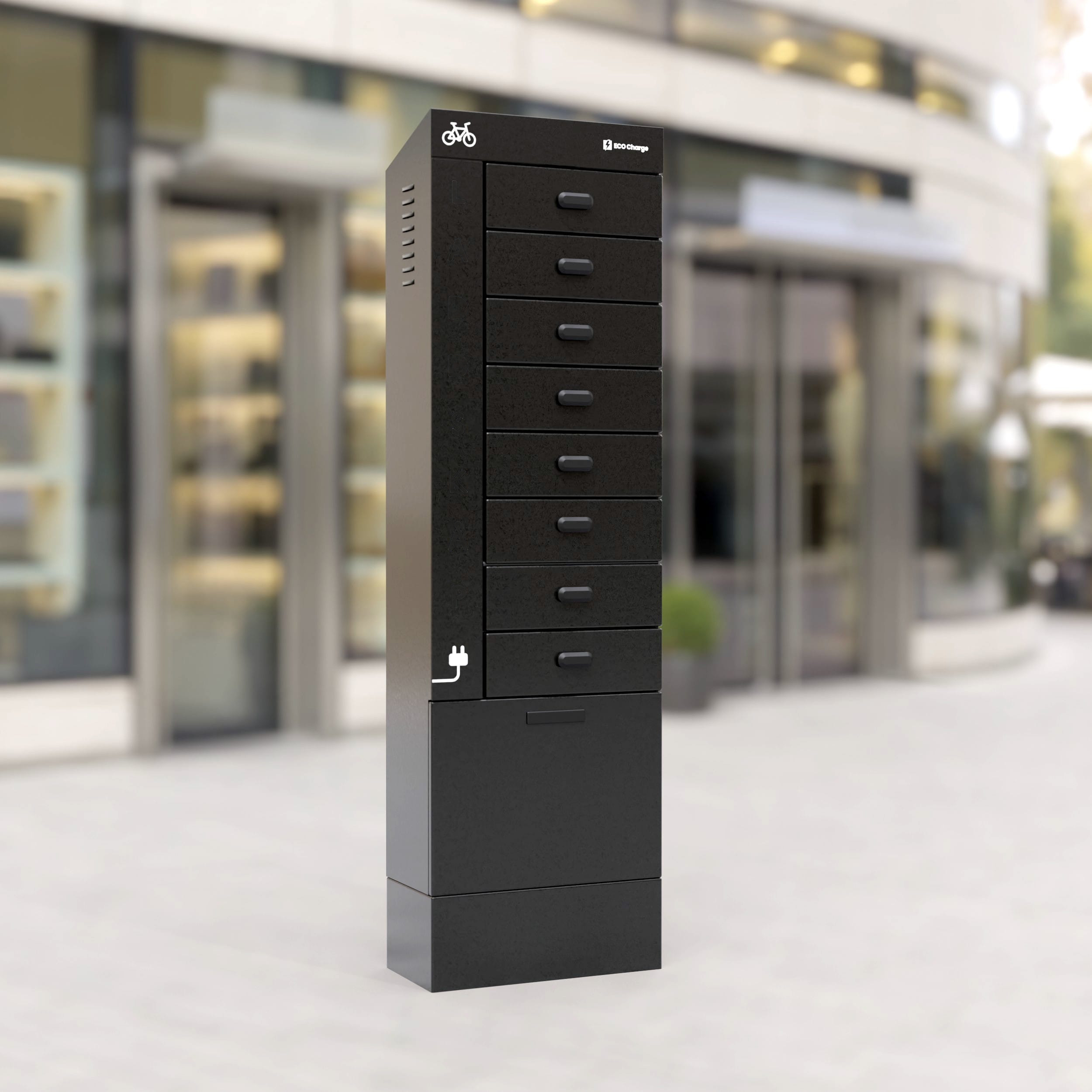
Removable batteries
Eight individually lockable compartments with electrical outlets for removable electric bike batteries. Intended for outdoor use. Choose a locking solution and instructions based on how guests will use the cabinet.
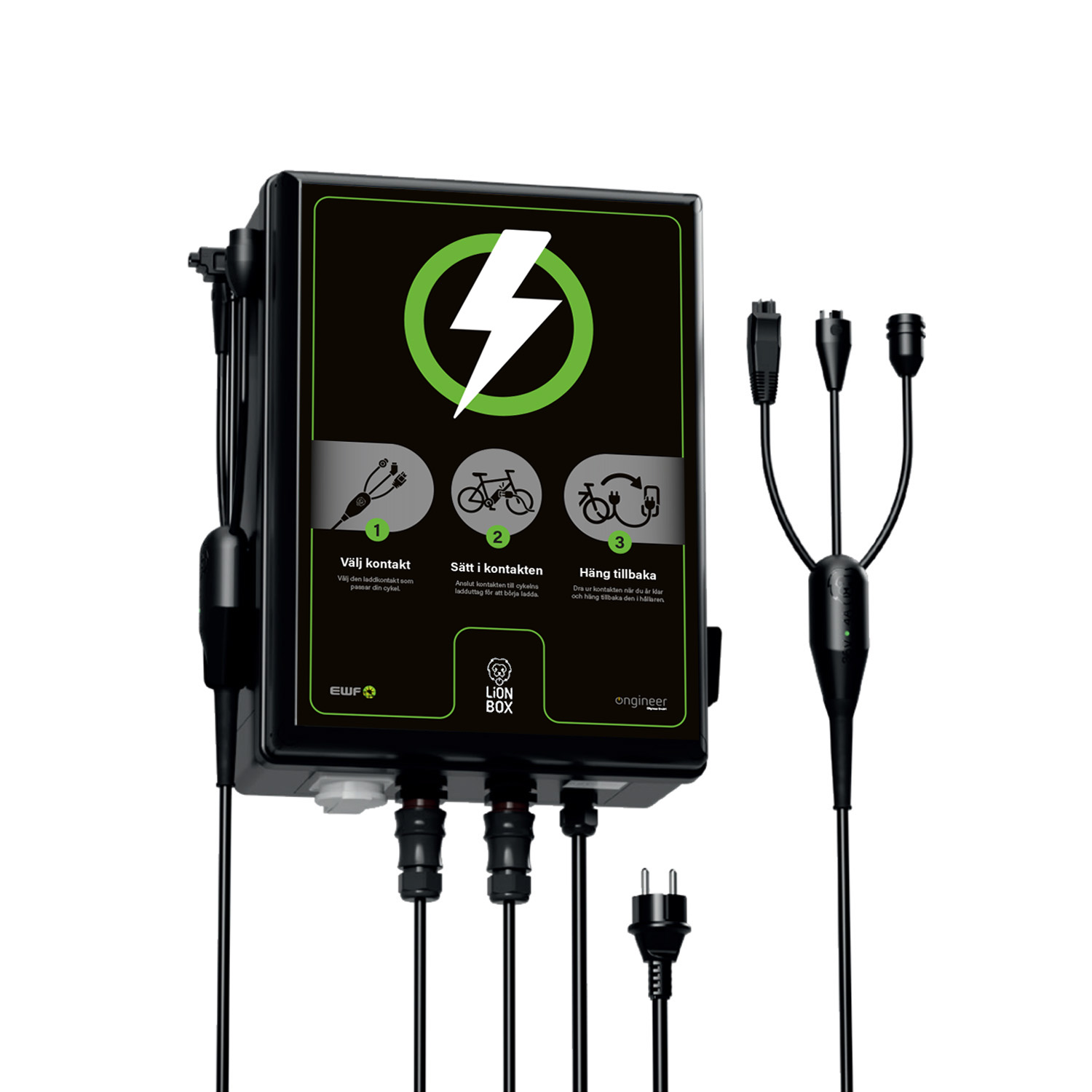
Charging at the Bike
Direct charging where guests park their bikes. Built-in charging cables for compatible bike systems and an additional electrical outlet. Choose the connections based on the facility’s visitors.

1. Survey the site. Mark stations, food service areas, entrances, and evacuation routes on a site map. Add the locations where staff have identified recurring problems.
2. Select measures. Determine whether the layout, labeling, sorting categories, or capacity need to be changed. At the same time, decide which equipment can continue to be used.
3. Monitor operations. It’s a good idea to start in a limited area. Monitor emptying, inspections, and sorting on representative days with high visitor traffic before moving forward.
No. Choose based on the type of waste, volume, and emptying procedures at each location. Compaction may be appropriate for a busy dining area, while a modular sorting station might be better suited for a quieter lounge area. Consistent labeling helps maintain a cohesive experience even when the equipment varies.
Take into account visitor traffic, service hours, and staff access to the area. Ensure that doors can be opened and bins or bags can be handled without blocking passageways. Information on fill levels from connected stations can supplement monitoring and help staff prioritize which stations need to be emptied.
The location needs to be assessed. Buildings, trees, roofs, and the facility’s operating season all affect the conditions for solar panel operation. We review lighting conditions, load requirements, and the selected model before proposing a solution. In a shaded location, the equipment and any other power supply must be selected based on the actual conditions at the site.
Direct charging is suitable for locations where the bike is parked and the charging connection is compatible with the bike’s system. Charging lockers are suitable for removable batteries that guests want to lock away during their visit. The choice depends on the users, the bike parking facility, the length of stay, and how you want to manage access and supervision.
Tell us about your visitor traffic, your current waste management practices, and the areas you’d like to improve. Using a site map and your operational experience as a starting point, we’ll help you choose the right equipment and take a practical first step.